
The grocery industry has changed dramatically over the past few years. Instead of waiting in long queues or visiting multiple stores, customers now prefer to shop for groceries online and have them delivered to their doorsteps. This shift in consumer behavior has increased the demand for grocery delivery app development companies that help businesses create digital platforms where customers can shop easily, securely, and conveniently.
A grocery delivery app development company specializes in designing and developing apps that connect customers, store owners, and delivery agents in one smooth system. These apps not only make the shopping process easy but also help businesses grow faster, reach more customers, and manage their daily operations efficiently.
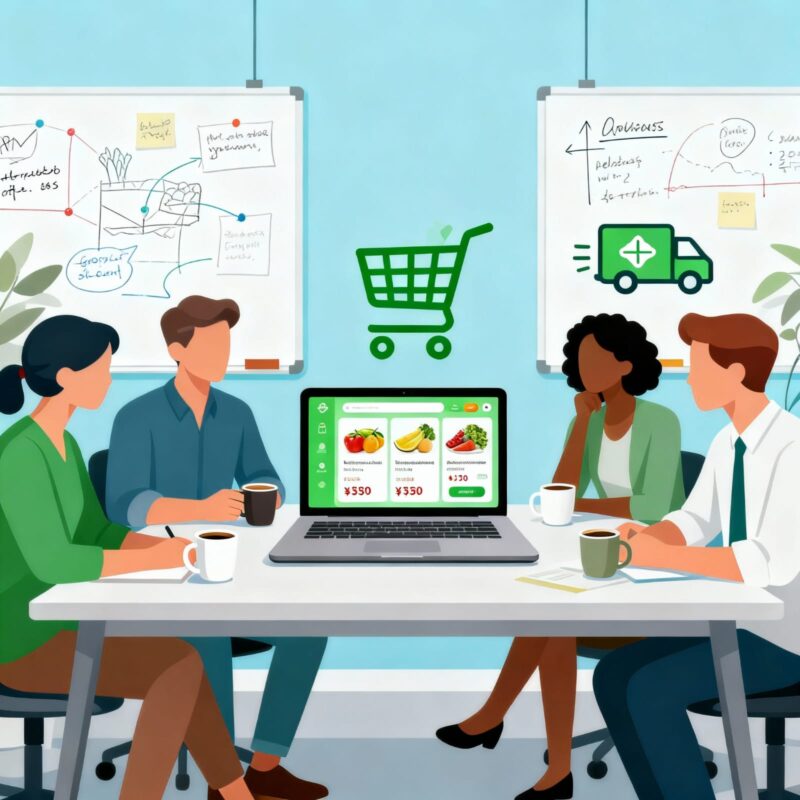
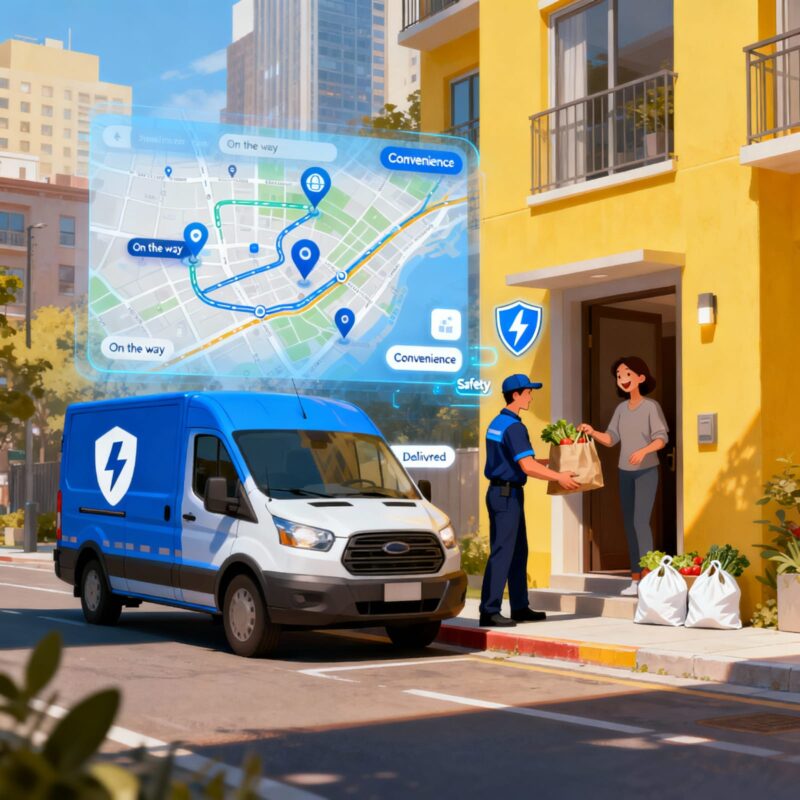
Why Grocery Delivery Apps Are Important
1. Growing Digital Demand
Online grocery shopping has become a daily habit for millions of people worldwide. With busy work schedules and urban lifestyles, customers no longer have the time or patience to visit physical stores. A grocery delivery app gives them a convenient way to shop from anywhere and at any time. For businesses, this means staying relevant in a digital world, reaching tech-savvy customers, and increasing revenue through online channels. Companies that invest in digital transformation through grocery apps can gain a competitive edge in the rapidly growing eCommerce market.
2. Convenience for Customers
Convenience is the biggest reason people love grocery apps. Customers can browse thousands of products, check prices, read descriptions, and make purchases within minutes—all without leaving their homes. They can save favorite items, repeat past orders, and even schedule deliveries according to their convenience. For working professionals, parents, and elderly people, grocery apps are a lifesaver, allowing them to get what they need without stress or effort.
3. Boost in Business Growth
Grocery delivery apps help local stores, supermarkets, and even startups reach a much larger customer base than traditional brick-and-mortar stores. By offering online delivery, a business can serve customers outside its local area and attract new users who prefer online shopping. Additionally, apps can include promotional tools like digital coupons, discounts, and referral programs that help increase customer engagement and overall sales.
4. Real-Time Updates and Tracking
One of the most useful features of a grocery delivery app is real-time order tracking. Customers can see exactly where their order is, who is delivering it, and when it will arrive. This transparency builds trust and satisfaction. For businesses, GPS tracking helps monitor deliveries, plan routes efficiently, and ensure timely service. It also allows owners to handle delays or issues quickly and professionally.
5. Safe and Contactless Shopping
Health and safety have become major priorities since the pandemic. Grocery apps enable contactless shopping, where customers can order, pay, and receive deliveries without physical interaction. Online payment gateways, digital receipts, and doorstep delivery reduce risks while maintaining convenience. This gives users peace of mind knowing that they can shop safely while staying home.
Key Features of a Grocery Delivery App
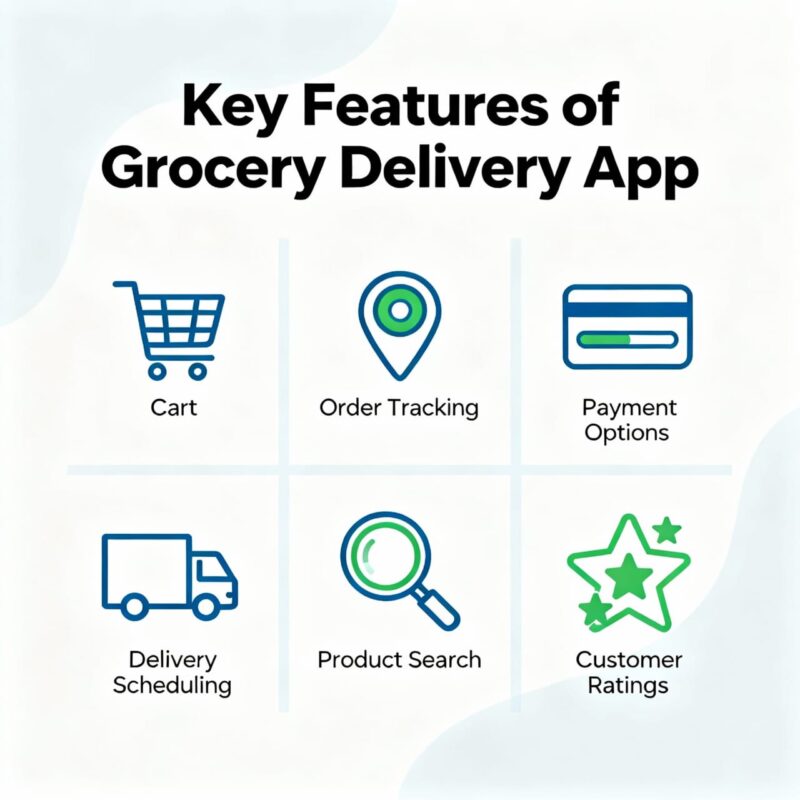
A grocery delivery app must be smooth, user-friendly, and secure. Here’s an in-depth explanation of the most important features:
1. User Registration and Profile
Customers can easily create accounts using email, phone numbers, or social media logins. Once registered, they can manage personal details, delivery addresses, payment options, and preferences. A well-designed onboarding process ensures that new users can start shopping right away without confusion or lengthy steps.
2. Product Listings and Categories
A clear and organized product catalog helps users find what they need quickly. Each product should include a photo, price, description, stock availability, and nutrition details (for food items). Categories like fruits, vegetables, dairy, snacks, and beverages make browsing easier, while smart suggestions can show trending or frequently bought items.
3. Smart Search and Filters
This feature allows customers to find products quickly using keywords or filters such as price, brand, or availability. For example, if a customer searches for “organic apples,” the app should instantly show relevant results. A powerful search engine saves time and makes shopping enjoyable.
4. Shopping Cart and Wishlist
The shopping cart lets users review and modify selected items before checkout. A wishlist feature allows them to save products they plan to buy later. Both tools improve the user experience by making shopping more flexible and personalized.
5. Secure Payments
A grocery app should support safe and diverse payment options like debit/credit cards, UPI, digital wallets (Paytm, Google Pay), and net banking. The transactions must be encrypted to protect users’ financial information. Fast payment processing builds trust and reduces cart abandonment rates.
6. Real-Time Order Tracking
Once an order is placed, users can track their order’s progress — from “packed” to “out for delivery.” They can also view the delivery person’s location on a live map. For store owners, real-time tracking helps coordinate delivery schedules and optimize routes to save time and fuel costs.
7. Push Notifications
Notifications are crucial for engagement. They inform users about new offers, sales, delivery updates, and personalized recommendations. Smart notifications help retain customers and keep them coming back to the app regularly.
8. Ratings and Reviews
Customers can leave feedback on products and delivery experiences. This helps businesses identify improvement areas and also boosts credibility for new customers. Positive reviews serve as social proof that encourages others to try the app.
9. Admin Dashboard
The admin panel is the brain of the app. It allows business owners to manage products, monitor orders, handle customer issues, and generate sales reports. Admins can track real-time performance metrics to make better business decisions.
10. Multi-Vendor Support
In multi-vendor grocery apps, multiple stores can list their products. This gives customers a variety of options and allows businesses to expand their offerings. Each vendor can manage their own inventory, pricing, and delivery schedules independently.
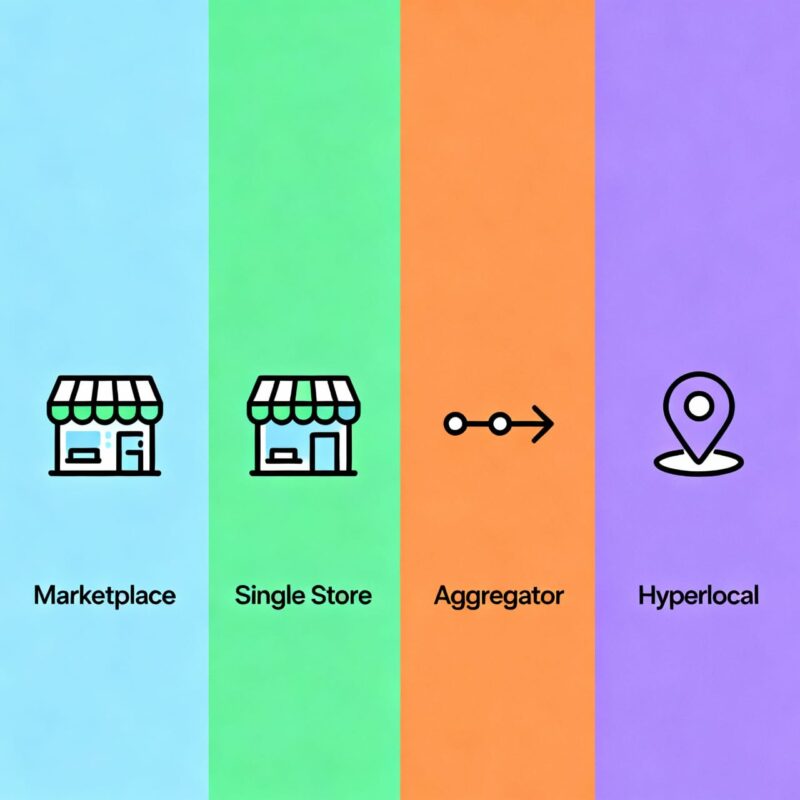
Types of Grocery Delivery App Models
1. Single Store App
This model is perfect for small or local grocery stores that want to serve their existing customers online. The store owner manages inventory, delivery, and customer service from one platform. It’s affordable, easy to maintain, and ideal for small-scale businesses.
2. Multi-Store App
This model connects multiple branches of a supermarket or chain store. Customers can select the nearest branch, ensuring faster delivery and accurate inventory availability. It’s commonly used by big grocery brands and franchise businesses.
3. Aggregator Model
In this setup, the app acts as a platform for several vendors to list their groceries. The app company doesn’t own stock but earns commissions from sellers. Customers can browse from multiple stores, compare prices, and choose based on ratings or distance.
4. Subscription-Based App
This model allows customers to subscribe for daily or weekly deliveries of essentials like milk, bread, fruits, and vegetables. It’s convenient for households that prefer automatic, recurring deliveries without placing repeated orders manually.
Advanced Features to Enhance the App
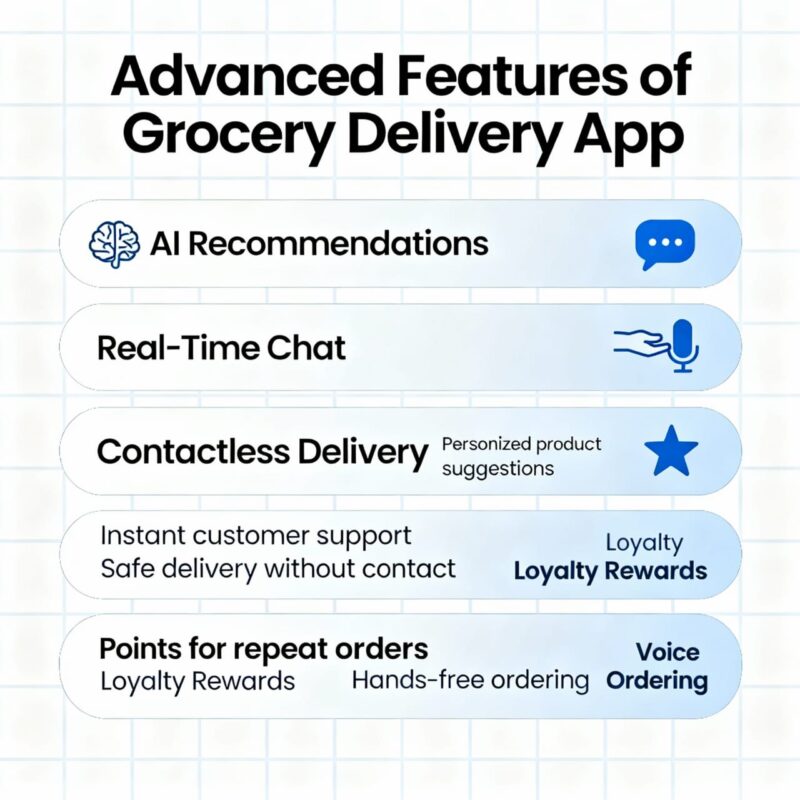
1. AI-Based Recommendations
Artificial Intelligence studies customers’ shopping habits and suggests products they might like or need soon. For example, if someone often buys rice and pulses, the app may recommend cooking oil or spices. This personalization helps improve sales and customer satisfaction.
2. Voice Search Integration
With voice assistants like Siri or Google Assistant, customers can search for groceries hands-free. Saying “Add bananas to my cart” or “Order milk” saves time and provides a futuristic shopping experience.
3. Loyalty and Reward Programs
Customers earn points or cashback with every purchase. These rewards can be used later for discounts. Such programs keep users loyal to the platform and encourage repeat purchases.
4. Delivery Slot Booking
Users can choose preferred delivery times, such as morning or evening slots. This flexibility is convenient for working individuals and helps businesses manage delivery schedules efficiently.
5. In-App Chat and Support
Customers can chat with the support team if they face any issues like wrong orders or delayed delivery. Quick problem resolution builds trust and ensures customer satisfaction.
Benefits of Grocery Delivery Apps
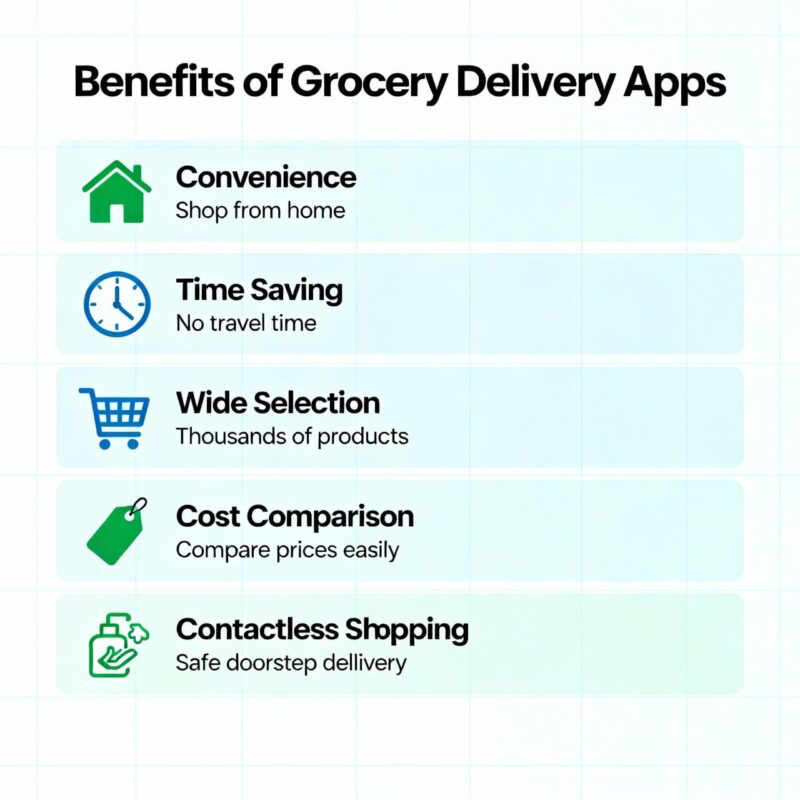
1. Convenience for Customers
Grocery delivery apps make shopping simple and stress-free. Instead of visiting stores and waiting in long queues, customers can buy everything they need from home. With just a few taps, they can browse items, compare prices, and get groceries delivered right to their doorstep. This saves time, energy, and transportation costs — making it the most convenient way to shop for daily essentials.
2. Increased Sales and Revenue for Businesses
By launching a grocery delivery app, businesses can reach more customers beyond their physical store location. Online orders can come in 24/7, even when the store is closed, which means more sales opportunities. With features like personalized offers and loyalty programs, businesses can attract repeat customers and steadily grow their income.
3. Better Customer Experience
A mobile app allows businesses to offer a smoother, more personalized shopping experience. Users can get tailored product suggestions, real-time delivery updates, and easy payment options. Push notifications can remind customers about discounts, restocks, or special offers — all of which create a stronger bond between the business and the customer.
4. Efficient Order and Inventory Management
For business owners, grocery delivery apps make it much easier to manage stock and track orders. Every purchase is recorded automatically, helping businesses monitor which products sell fast and which need restocking. This reduces manual work, prevents overstocking, and ensures customers always find what they’re looking for.
5. Multiple and Secure Payment Options
Today’s customers want safe, flexible, and easy ways to pay. Grocery delivery apps allow payments through cards, UPI, wallets, or cash on delivery. Secure encryption ensures that users’ financial data remains safe. This builds trust and makes customers feel confident while shopping online.
6. Real-Time Delivery Tracking
One of the most loved features of grocery apps is real-time delivery tracking. Customers can see where their delivery person is and how long it will take for their order to arrive. This transparency improves reliability and helps reduce customer anxiety or confusion about order delays.
7. Improved Business Analytics
Grocery apps collect useful data about customer preferences, peak buying times, and top-selling items. Business owners can use these insights to make smarter decisions, improve product offerings, and plan better marketing strategies. Over time, these analytics help businesses increase profits and customer satisfaction.
8. Brand Recognition and Customer Loyalty
Having your own grocery app helps build a strong brand identity. Regular app users begin to recognize and trust your brand. Loyalty programs, reward points, and personalized offers encourage them to keep coming back — helping your business turn one-time buyers into loyal customers.
The Future of Grocery Delivery Apps
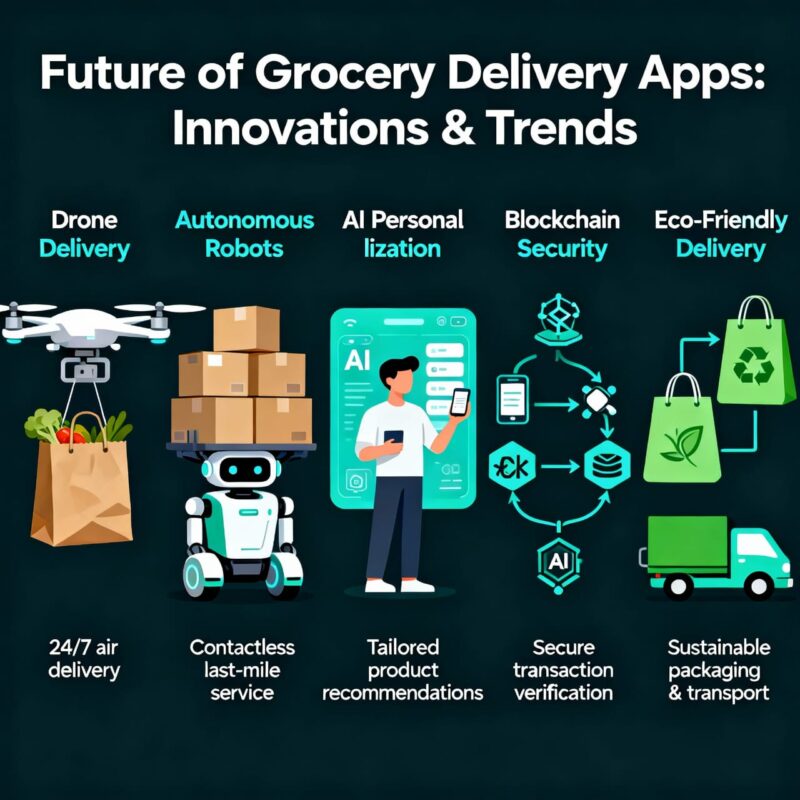
The grocery delivery industry will continue evolving with emerging technologies. AI will handle personalized shopping and predictive ordering, while AR (Augmented Reality) will enhance product browsing. Delivery drones and robots could become a reality for faster logistics. Sustainable and eco-friendly delivery options will also grow, appealing to environmentally conscious consumers.
The companies that adopt these technologies early will dominate the future of grocery retail.
Conclusion
The grocery industry is no longer limited to physical stores — it’s rapidly moving toward digital transformation. A grocery delivery app is now a vital tool for every retailer, supermarket, or entrepreneur who wants to stay competitive in today’s digital-first world. These apps don’t just make shopping convenient for customers; they also help businesses manage inventory, track deliveries, process payments securely, and build long-term customer loyalty.
With the growing demand for quick and contactless shopping experiences, grocery delivery apps have become more than a trend — they are the future of grocery retail. Partnering with a professional grocery delivery app development company ensures your business gets a secure, scalable, and user-friendly platform built using the latest technology. From intuitive designs to AI-driven recommendations, these companies create apps that make shopping faster, smarter, and more enjoyable for everyone.
In short, whether you’re running a small local store or managing a large retail chain, investing in a grocery delivery app is one of the best ways to grow your business, improve customer satisfaction, and future-proof your brand in the digital economy.
Contact Us
Want to launch your own grocery delivery app?
At iTech Solutions, we specialize in creating innovative and scalable grocery delivery apps tailored to your business model. Whether you’re a small local store or a national supermarket chain, we can help you digitalize your operations and expand your reach.
Email: hr@itechs.co.in
Phone: +91-7976833560