
Introduction – The Future of Food is Digital
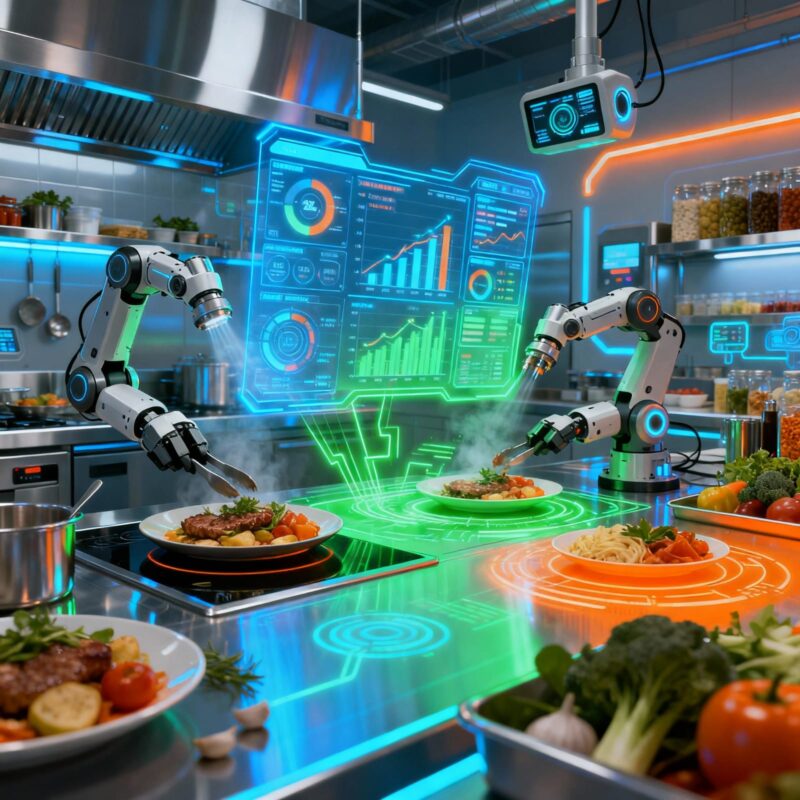
In today’s busy world, convenience is everything — and that includes food. People no longer want to wait in long queues or call restaurants to place an order. Instead, they prefer to open an app, browse menus, and get their favorite meals delivered right to their doorstep. This massive shift in consumer behavior has given rise to the booming food delivery app industry.
A food delivery app development company helps restaurants, cloud kitchens, and entrepreneurs create smart, user-friendly platforms that make food ordering simple, fast, and enjoyable. These companies design and build apps that connect hungry customers with local eateries, delivery riders, and payment systems — all in one place.
From startups like Zomato and Swiggy to global leaders like Uber Eats and DoorDash, the success stories of food delivery apps show just how much potential this industry holds. With more people ordering food online than ever before, building a food delivery app is not just a trend — it’s a powerful business opportunity.
Why Food Delivery Apps Are Important
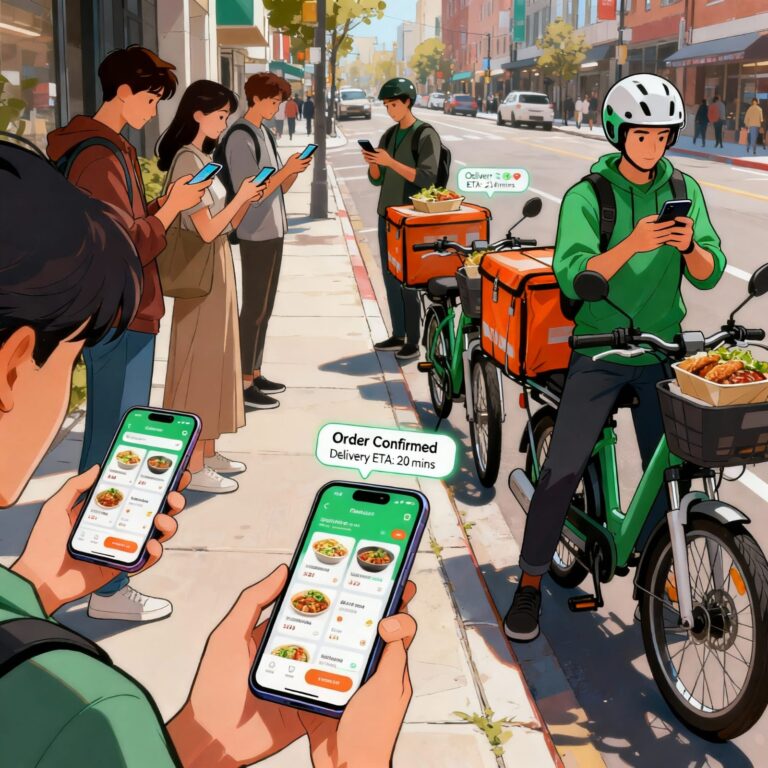
1. Changing Consumer Habits
The way people order food has completely changed in the digital age. Earlier, customers had to call restaurants, wait for confirmation, and often deal with confusion or errors. Now, everything happens through a simple app — browsing menus, customizing meals, and tracking orders in real time. This shift in behavior shows that people value comfort, control, and time-saving solutions. For restaurants and startups, building a food delivery app means staying relevant in a world where mobile-first experiences define customer loyalty.
2. Expanding Business Reach
A restaurant’s customer base used to depend entirely on its physical location. But with a food delivery app, even a small local café can reach customers across different areas. Apps allow restaurants to serve people who may have never walked into their store before. Whether customers are in nearby neighborhoods or across the city, they can order with ease. This expansion not only increases visibility but also helps businesses compete with larger chains — leveling the playing field for all food providers.
3. 24/7 Accessibility
One of the biggest advantages of having a food delivery app is that it never sleeps. Customers can browse and order meals anytime — early morning, late night, or during holidays. This non-stop accessibility boosts sales and builds stronger brand loyalty. Many people, especially young professionals or students, prefer apps that give them flexibility and round-the-clock service. By offering 24/7 ordering, businesses can meet diverse lifestyles and stay ahead of competitors that operate only during fixed hours.
4. Enhanced Customer Experience
Food delivery apps are designed to make the customer journey smooth and enjoyable from start to finish. With clear menus, photos, ratings, and estimated delivery times, users know exactly what to expect before ordering. Features like instant payments, real-time tracking, and push notifications make the process transparent and stress-free. When customers have a pleasant experience, they are more likely to reorder and recommend the app to others — helping the business grow naturally through positive word of mouth.
5. Efficient Operations for Businesses
From receiving orders to managing deliveries, everything becomes simpler with a food delivery app. Restaurants no longer need to handle multiple phone calls or depend on manual tracking systems. The app automatically records orders, assigns drivers, and updates customers — saving time and reducing human errors. For managers, it provides clear insights into sales, delivery times, and customer feedback. This digital automation helps businesses run smoothly while maintaining consistency and quality in every order.
Key Features of a Food Delivery App
1. User-Friendly Interface
A user-friendly interface is the backbone of any food delivery app. It should be designed in a way that customers of all ages can navigate it easily without confusion. From browsing restaurants and exploring menus to adding food items to the cart and making payments — every step should feel smooth and intuitive. A clean layout, attractive visuals, and simple navigation encourage users to spend more time on the app. When customers enjoy using it, they are more likely to return, which builds long-term loyalty for the business.
2. Real-Time Order Tracking
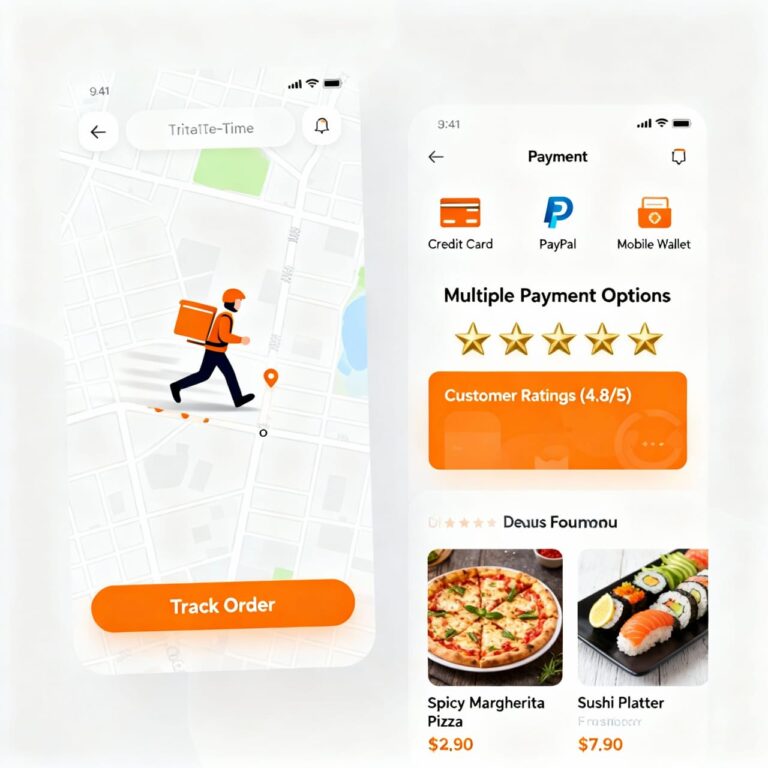
One of the most appreciated features in food delivery apps is real-time tracking. Customers can see the live status of their order — from when it’s accepted by the restaurant to when it’s on its way. This transparency helps reduce the anxiety of waiting and builds trust between customers and the service provider. For delivery personnel, GPS tracking ensures that they can find the best and quickest routes, improving delivery speed and efficiency. This feature also reduces missed or delayed orders, leading to higher satisfaction rates.
3. Multiple Payment Options
Offering a variety of payment options is essential in today’s digital world. A successful food delivery app should support all major payment methods such as credit and debit cards, digital wallets, UPI, net banking, and even cash on delivery for convenience. When customers can choose their preferred payment method, they feel more secure and comfortable completing the transaction. Moreover, secure encryption and verified gateways protect user data, helping build a sense of safety and reliability within the platform.
4. Restaurant and Admin Dashboards
Behind every seamless food delivery app is a powerful management system. Restaurant owners and administrators need dedicated dashboards that make it easy to handle day-to-day operations. These dashboards allow restaurants to manage menus, update prices, monitor incoming orders, and track sales performance in real-time. Admins can oversee delivery routes, manage users, and handle payments efficiently. Having access to data analytics also helps businesses make informed decisions, identify popular items, and maintain high service quality.
5. Ratings and Reviews
Customer feedback plays a vital role in improving app credibility and user experience. A rating and review system allows users to share honest opinions about the food, delivery service, and overall satisfaction. Positive reviews build trust and attract new customers, while constructive feedback helps restaurants identify areas for improvement. Displaying genuine ratings also increases transparency, giving potential customers the confidence to place their first order. Over time, this feature becomes a key tool for building a trusted online reputation.
6. Push Notifications
Push notifications help businesses stay connected with their users even when they’re not using the app. They are an effective way to share real-time updates about order status, special discounts, or new restaurant listings. Notifications can also remind customers of incomplete carts, limited-time offers, or upcoming deals — increasing engagement and repeat orders. However, it’s important to balance frequency and relevance so that customers see notifications as helpful, not annoying. When done right, push alerts keep the brand top-of-mind and drive consistent app usage.
Benefits of Food Delivery Apps
1. Convenience for Customers
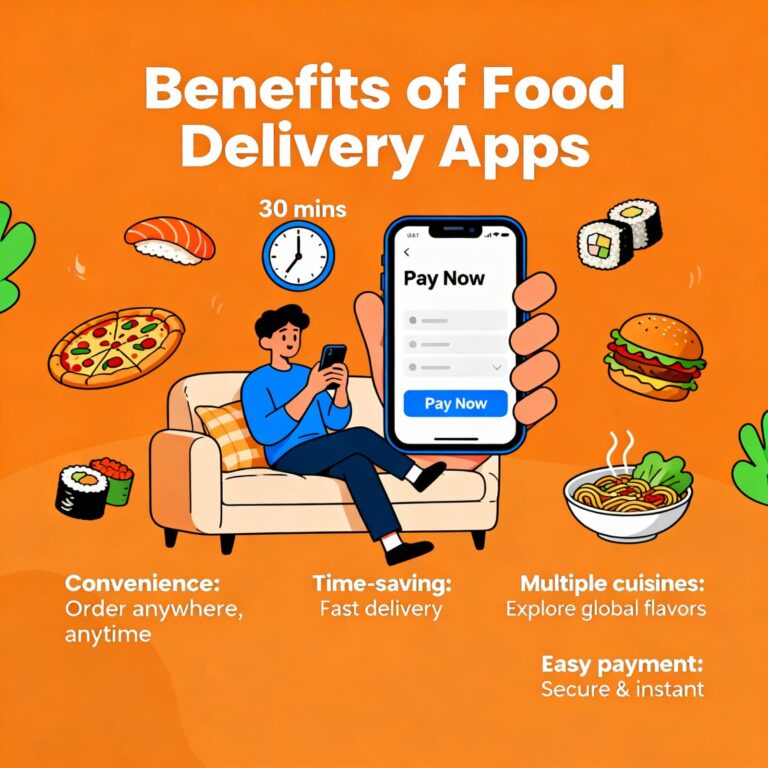
One of the biggest advantages of food delivery apps is the unmatched convenience they offer. Customers can explore hundreds of restaurants and cuisines from the comfort of their homes, without making phone calls or waiting in queues. They can place, track, and pay for their orders in just a few taps. Real-time updates let them know exactly when their food will arrive, reducing uncertainty. This easy and seamless experience keeps users happy and encourages them to reorder, turning occasional customers into loyal ones over time.
2. Increased Revenue for Businesses
A food delivery app opens up new earning opportunities for restaurants, cafes, and cloud kitchens. Instead of relying only on in-store customers, businesses can generate online orders around the clock. Delivery fees, promotional listings, and partnerships with other brands can add extra revenue streams. Apps also make it easier to serve a wider audience and handle more orders efficiently. This increased visibility and accessibility help businesses grow faster and stay ahead of competitors who don’t yet have a digital presence.
3. Cost and Time Efficiency
Food delivery apps help businesses save both time and money by automating daily operations. Instead of managing multiple phone calls, orders, and receipts manually, everything is handled digitally within the app. This reduces the need for extra staff, minimizes order errors, and streamlines the overall workflow. Delivery tracking, payment processing, and customer management can all be done in one place, allowing restaurants to focus more on food quality and customer satisfaction. The result is a smoother, faster, and more efficient business model.
4. Enhanced Brand Image
Having a mobile app gives your business a modern and tech-savvy image that appeals to today’s digital generation. Customers perceive app-based services as more reliable, transparent, and customer-focused. A beautifully designed app with your logo, colors, and branding elements strengthens your business identity. It also allows you to communicate directly with customers through notifications and personalized offers. Over time, this professional image builds trust and helps your brand stand out in the crowded food delivery market.
5. Data-Driven Marketing
A food delivery app is not just a sales tool — it’s a goldmine of customer data. It records user behavior such as order history, peak ordering times, favorite cuisines, and spending habits. Businesses can use this data to understand customer preferences and design personalized offers that attract attention. For instance, if users often order pizza on weekends, the app can send special Friday discounts. These insights help in running more effective marketing campaigns, predicting trends, and improving overall decision-making for long-term success.
Advanced Features for a Competitive Edge
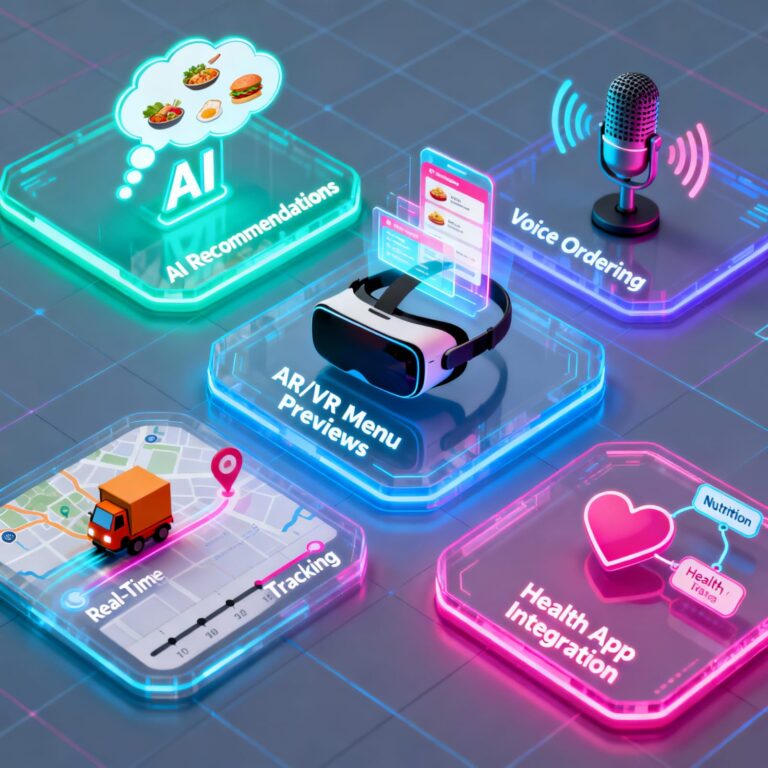
1. AI-Based Recommendations
Artificial Intelligence (AI) makes the food ordering experience smarter and more personalized. It studies users’ previous orders, favorite cuisines, and browsing habits to suggest dishes or restaurants they might like. For example, if a customer often orders pizza on weekends, the app can automatically show nearby pizza deals or special combos. This personalization not only saves time for users but also increases order frequency. For businesses, it helps improve customer satisfaction and boosts overall sales by promoting the right items to the right people.
2. Voice and Chatbot Assistance
Voice-based ordering and chatbot support make the app more interactive and accessible. Instead of typing, users can simply say commands like “Order my usual lunch” or “Track my last order,” and the app instantly responds. Chatbots can handle customer queries 24/7, from answering delivery questions to suggesting menu items. This feature reduces the need for customer service staff and provides quick assistance at any time. It’s especially useful for busy users or those who prefer hands-free experiences while driving or multitasking.
3. Contactless Delivery
After the pandemic, safety and hygiene became top priorities for customers. Contactless delivery allows users to receive food at their doorstep without any physical contact with the delivery person. Customers can choose the “Leave at Door” option, make online payments, and get notified once the delivery arrives. This simple yet important feature ensures safety for both customers and delivery staff. It also shows that the business cares about public health and convenience, which builds trust and encourages more orders.
4. Data Analytics and Insights
Smart analytics tools help business owners understand their customers better and make data-driven decisions. The app can track order trends, peak hours, top-selling items, and customer preferences. This data allows restaurants to manage inventory efficiently, plan marketing campaigns, and improve service quality. For example, if analytics show that weekend orders are higher, restaurants can prepare special deals or staff accordingly. In short, analytics turn raw data into actionable insights that increase profits and customer satisfaction.
5. Multi-Language and Multi-Currency Support
If a food delivery app wants to grow beyond one city or country, it needs to be accessible to a wider audience. Multi-language support allows users to use the app in their preferred language, creating a more personal experience. Similarly, multi-currency options make payments easier for international users or travelers. These features break language and currency barriers, making the app user-friendly for diverse customers. It also helps brands expand globally without rebuilding their entire system from scratch.
6. Loyalty and Rewards Programs
Rewarding loyal customers is one of the best ways to keep them coming back. A loyalty program allows users to earn points for every order, which can later be redeemed for discounts or free items. The app can also offer referral bonuses or personalized promo codes to encourage frequent usage. These rewards make users feel valued and appreciated, turning casual customers into brand advocates. Over time, loyalty programs increase customer retention and generate consistent revenue for the business.
Types of Food Delivery Apps
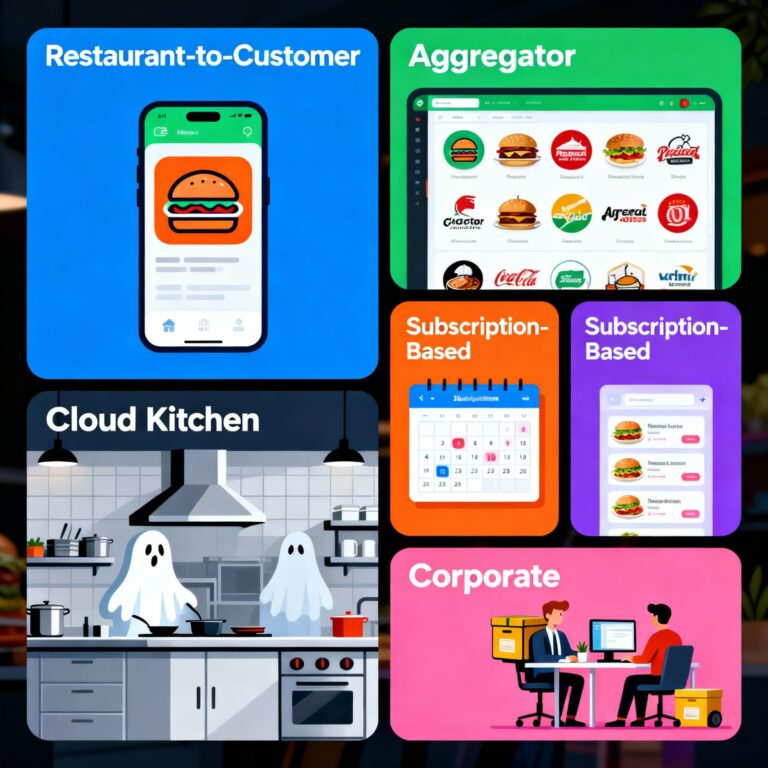
1. Restaurant-to-Customer Apps
These types of apps are developed for individual restaurants or large food chains that deliver food directly to their customers. Famous examples include Domino’s and McDonald’s apps, where users can order directly from the brand without using third-party platforms. These apps give restaurants complete control over their menu, pricing, and delivery operations. They also help maintain a strong brand identity since the app is fully customized to reflect the restaurant’s look and feel. Businesses can manage customer relationships better and provide special offers or loyalty rewards directly to their customers.
2. Aggregator Apps
Aggregator apps like Zomato, Swiggy, and Uber Eats act as a bridge between customers and multiple restaurants. Users can explore different eateries in their area, read reviews, compare prices, and choose their preferred dishes all in one place. These apps make dining choices simpler by offering variety and convenience. For restaurants, it means more visibility and access to a wider customer base without needing to build their own app. Aggregator platforms also handle logistics like delivery and payment, allowing restaurants to focus mainly on preparing quality food.
3. Cloud Kitchen Apps
Cloud kitchens, also known as “ghost kitchens” or “virtual restaurants,” operate entirely online without physical dining spaces. Apps built for these businesses allow customers to order directly from delivery-only kitchens. This setup reduces operational costs since there’s no need for a dining area, serving staff, or expensive rent. Businesses can focus solely on preparing and delivering great food while expanding their brand digitally. Cloud kitchen apps also make it easy to manage multiple brands or menus from a single kitchen, offering flexibility and scalability to restaurant owners.
4. Subscription-Based Apps
Subscription-based food delivery apps are becoming increasingly popular, especially among busy professionals and health-conscious customers. These apps allow users to plan their meals in advance and subscribe to weekly or monthly meal plans. For instance, an office worker can pre-book daily lunch deliveries or a fitness enthusiast can subscribe to healthy meal packages. This model ensures consistent revenue for businesses and provides customers with the comfort of automatic, regular meal deliveries. It also helps users save time and money while maintaining a balanced diet without daily ordering hassles.
5. Corporate Food Delivery Apps
Corporate food delivery apps are designed specifically for companies that provide meal services to their employees. They simplify large-scale order management by automating lunch orders, managing multiple deliveries, and handling payments efficiently. These apps are especially useful for organizations with cafeterias or catering partnerships, as they reduce manual coordination and ensure timely delivery. Businesses can also use such apps to track food expenses and offer employees flexible meal options. For employees, it creates convenience, and for companies, it promotes better workplace satisfaction and productivity.
The Future of Food Delivery Apps
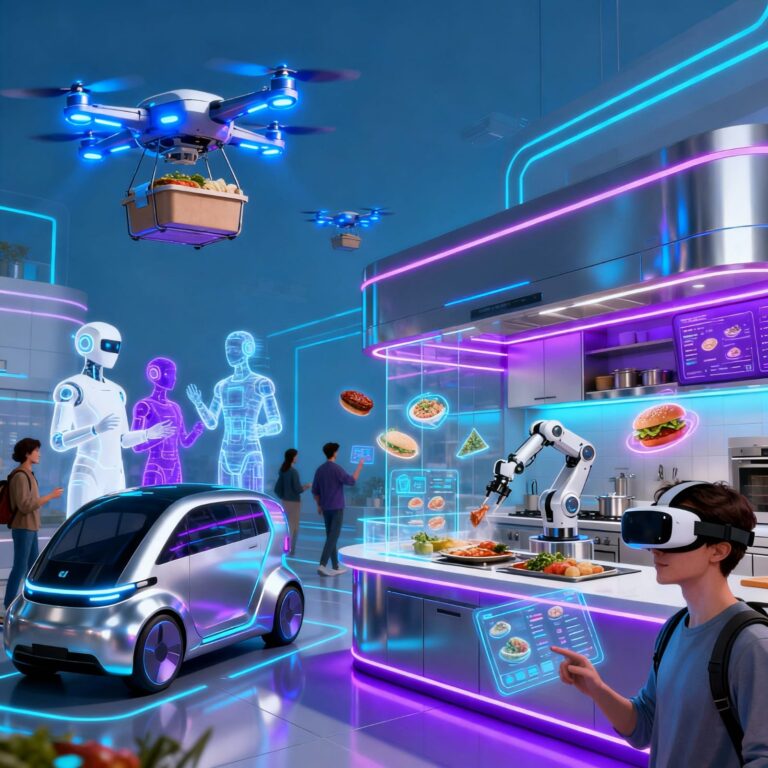
The future of food delivery is more connected, intelligent, and eco-friendly. With the integration of AI, machine learning, and automation, apps will soon predict what customers want before they even order. Drone deliveries, robot delivery systems, and electric vehicles are expected to make food delivery faster and greener.
Sustainability will also play a key role — apps will promote eco-friendly packaging and carbon-free deliveries. As competition grows, businesses that embrace innovation and personalization will stay ahead of the curve.
Conclusion
Food delivery apps have changed how people eat, order, and experience food. They offer unmatched convenience for customers and endless growth opportunities for businesses. Partnering with a skilled food delivery app development company ensures your app is fast, secure, and full of features customers love.
In today’s digital world, where time, taste, and technology come together — a powerful food delivery app isn’t just an option, it’s the recipe for long-term success.
📞 Ready to bring your app idea to life?
Reach out now for a free consultation and start your digital transformation with us today.
Email: hr@itechs.co.in
Phone: +91-7976833560