
What Is a Doctor On-Demand Application?
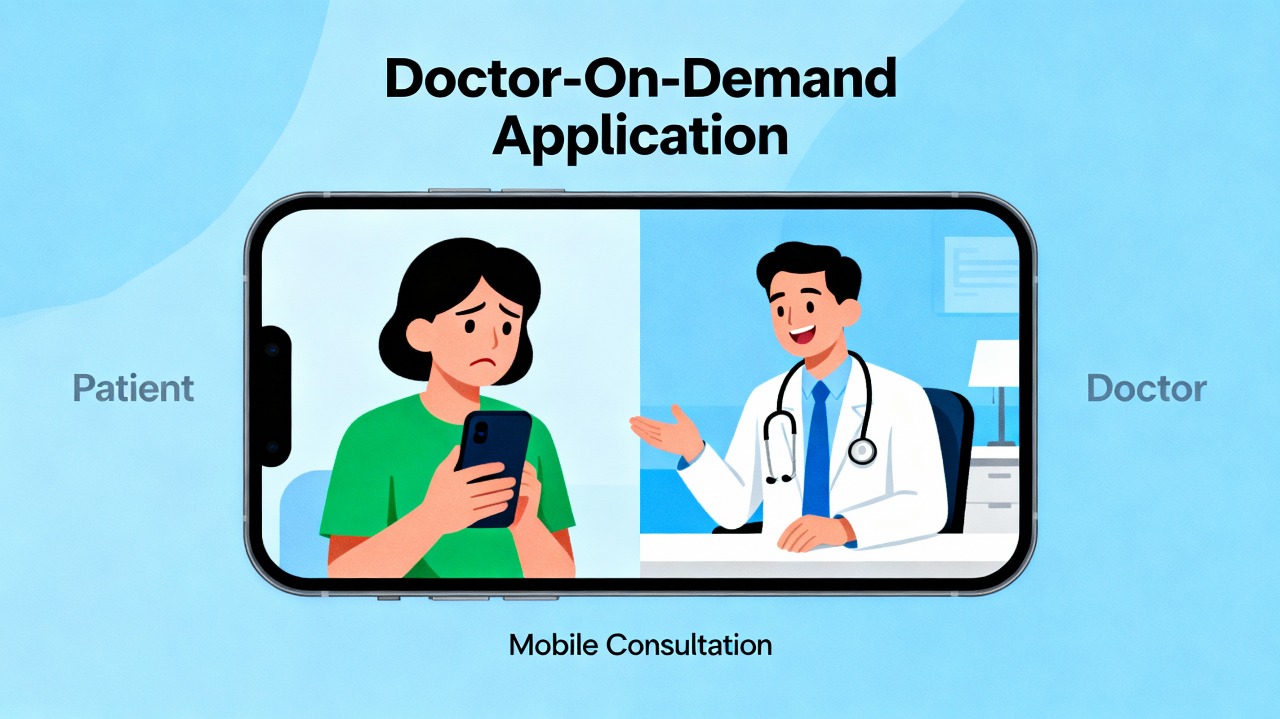
A doctor on-demand app is a telemedicine platform that enables patients to consult medical professionals anytime, anywhere via audio calls, video calls, or chat. These apps typically include features like appointment booking, electronic prescriptions, medical records management, and symptom tracking.
They bridge the gap between patients and healthcare providers, providing a safe, efficient, and user-friendly environment for medical consultation.
Types of Doctor On-Demand Applications
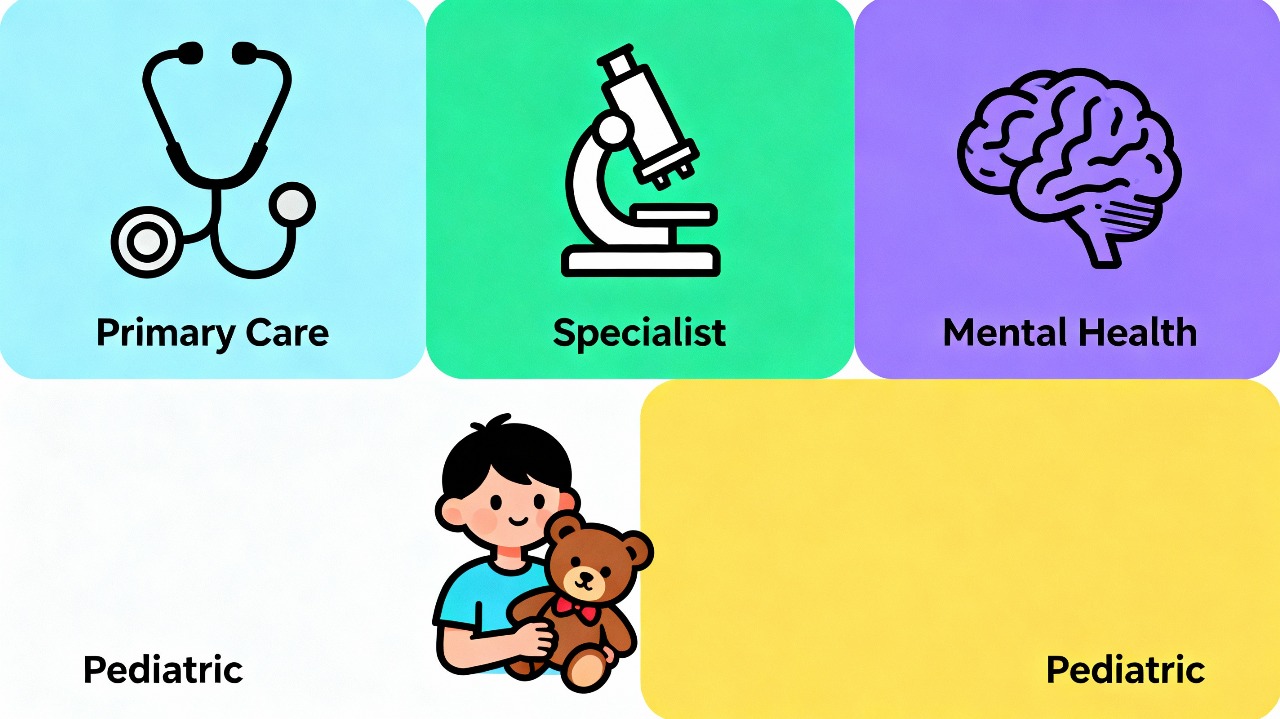
Doctor on-demand apps come in various formats depending on the healthcare services they provide, the target users, and the level of technology integration. Understanding these types helps you choose the right model for your business and build a solution that aligns with your healthcare goals.
Below are the most common types:
1. General Physician Consultation Apps
These apps allow patients to connect with general doctors for common health issues such as fever, flu, cold, infections, allergies, and mild symptoms. They are designed to offer quick, affordable, and accessible primary medical consultation.
Key Features:
Instant video/audio consultation
Prescription generation
Symptom checker
Follow-up reminders
2. Specialized Doctor Consultation Apps
These apps focus on consultations with specialists like dermatologists, cardiologists, pediatricians, gynecologists, neurologists, and psychiatrists.
Best For:
Patients who need expert diagnosis without hospital visits.
Key Features:
Specialist doctor listings
Slots scheduling
Secure sharing of medical reports
High-quality video consultations
3. Emergency Care / Urgent Care Apps
These apps provide 24/7 on-demand emergency support, connecting patients to doctors, ambulance services, or hospitals instantly.
Examples of Use Cases:
Chest pain
Severe injuries
High fever in children
Sudden allergic reactions
Features:
SOS button
One-tap emergency calling
GPS-enabled ambulance tracking
Priority doctor consultation
4. Mental Health & Counseling Apps
Online therapy and mental wellness have become a major trend. These apps connect users with psychologists, therapists, and mental health experts.
Best For:
Anxiety
Depression
Stress management
Relationship counseling
Sleep disorders
Features:
Anonymous sessions
Video/voice therapy
Emotion-tracking tools
Journal and mood analytics
5. Pediatric Care Apps
These apps help parents consult pediatricians for their children’s health needs.
Special Features:
Growth and vaccination tracking
Child development insights
Emergency pediatric support
Prescription storage
6. Women’s Health & Maternity Care Apps
Designed specifically for women, these apps offer consultations regarding gynecology, pregnancy, fertility, menstrual wellness, and postpartum support.
Features:
Period tracking
Pregnancy monitoring
Fertility cycle guidance
Highly trained women specialists
7. Home Healthcare & Nursing Apps
These apps enable users to book home visits by doctors, nurses, lab technicians, and physiotherapists.
Use Cases:
Elderly care
Post-surgery care
Physiotherapy sessions
Chronic illness monitoring
Features:
At-home appointment booking
Nursing staff verification
Real-time visit tracking
8. Pharmacy & Medication Delivery Apps with Teleconsultation
These apps combine doctor consultation + medicine delivery.
Features:
On-demand doctor consult
Prescription-based medicine delivery
Monthly medicine subscription
Refill reminders
9. Chronic Disease Management Apps
For long-term conditions like diabetes, hypertension, asthma, thyroid issues, and arthritis.
Features:
Daily health monitoring
IoT device integration
Diet and exercise plans
Specialist doctor support
10. Health & Wellness Coaching Apps
These apps provide lifestyle coaching, nutrition guidance, fitness monitoring, and preventive healthcare consultations.
Features:
Personalized diet plans
Fitness tracker integration
Video coaching sessions
Habit-building tools
11. AI-Powered Self-Diagnosis Apps
These innovative apps allow users to input symptoms and receive computerized assessments before consulting a human doctor.
Features:
AI symptom analysis
Preliminary diagnosis
Risk-level prediction
Automatic doctor matching
12. Hospital & Clinic-Based Telemedicine Apps
Many hospitals develop their own telemedicine platforms to serve patients digitally.
Advantages for Hospitals:
Brand trust
Direct patient management
Integrated health records
Key Features of a Doctor On-Demand Application
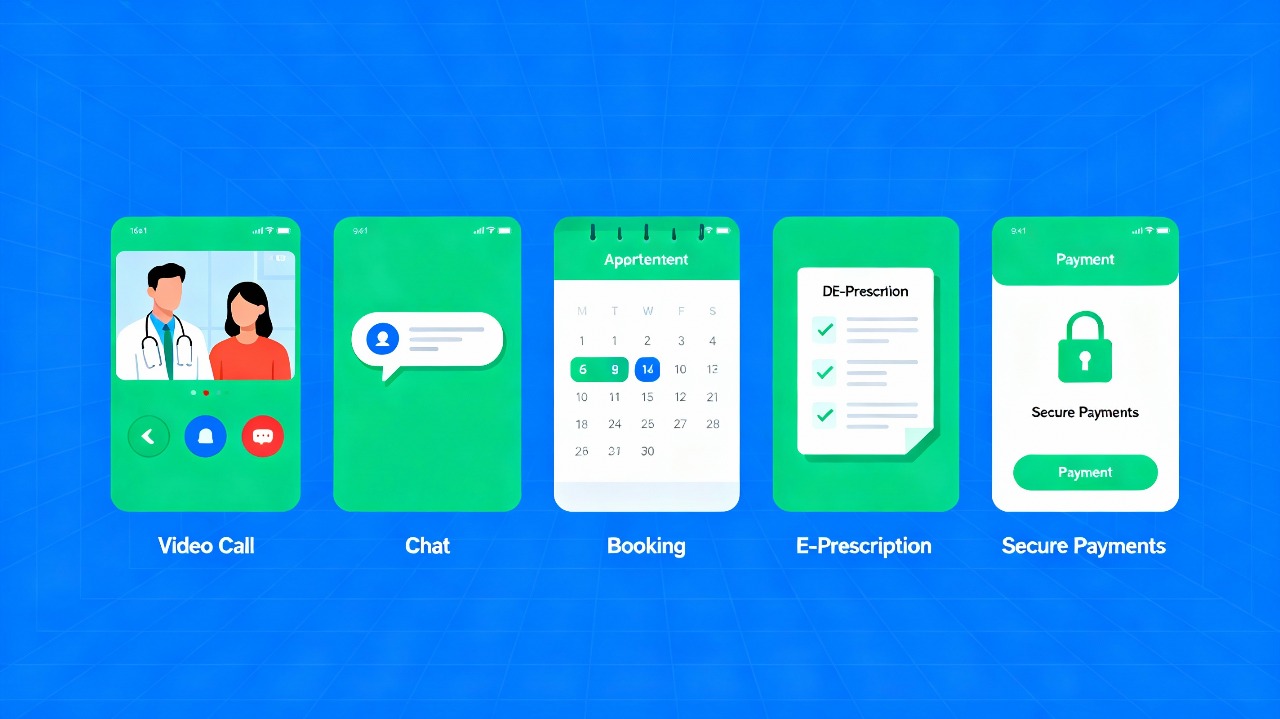
A robust doctor on-demand app includes a combination of patient-side, doctor-side, and admin-side features. Below is a complete breakdown:
1. User Registration & Profile Management
A smooth onboarding process ensures that both patients and doctors can sign up effortlessly using email, phone number, or social media accounts. For patients, profile management includes personal details, age, gender, medical history, allergies, and current medications. For doctors, it includes their qualifications, specialization, years of experience, consultation charges, certifications, and professional documents for verification. These detailed profiles help foster trust, improve transparency, and allow the platform to match the right patient with the right doctor based on accurate data.
2. Appointment Booking & Scheduling
This feature enables patients to browse a wide range of doctors based on parameters such as specialization, availability, location, ratings, or consultation fees. A dynamic and interactive calendar system allows users to check available slots and book appointments instantly. Patients can also reschedule or cancel bookings with one click. For doctors, it ensures better workload management and minimizes scheduling conflicts. This streamlined system makes it easier for both parties to manage their time efficiently.
3. Real-Time Audio & Video Consultation
High-quality, encrypted audio and video calling ensures a real-time, face-to-face experience similar to a clinic visit. Video consultation allows doctors to visually examine symptoms like rashes, swelling, throat condition, or physical injuries. The secure streaming technology ensures smooth communication even on moderate internet speeds. This feature bridges the gap between remote care and traditional visits, helping doctors provide accurate diagnoses and patients to receive personalized treatment from the comfort of their homes.
4. Secure In-App Chat
The in-app chat feature enables patients and doctors to communicate through messages before, during, or after the consultation. Patients can share their symptoms, ask follow-up questions, upload medical reports, images, or lab results, and clarify doubts without booking a full consultation. Doctors can share health advice, provide instructions, or explain treatment plans. The chat system is fully encrypted to maintain privacy and comply with healthcare data security standards.
5. E-Prescriptions
Doctors can generate and share digital prescriptions instantly after the consultation. These e-prescriptions contain details such as medication names, dosage, duration, and any special instructions. Patients can easily download or forward them to pharmacies for medicine delivery. This system eliminates writing errors, reduces the risk of misinterpretation, and ensures safer, more efficient treatment. It also keeps a digital record of medications for future visits.
6. Electronic Health Records (EHR)
The app securely stores all patient data, including previous consultations, prescriptions, medical reports, diagnostic test results, allergies, and chronic condition history. EHR ensures that doctors have access to complete patient information, helping them make better-informed decisions. Patients can also revisit their records anytime for follow-ups or future treatments. The centralization of medical data enhances continuity of care and ensures long-term tracking of patient health.
7. Multiple Payment Options
For a smooth user experience, the app integrates multiple secure payment methods such as UPI, credit/debit cards, mobile wallets, and net banking. Patients can pay for consultations, follow-ups, or health packages quickly and securely. Some platforms also allow adding funds to in-app wallets or saving preferred payment methods for faster checkout. The integration of secure payment gateways ensures encrypted transactions and instant confirmations.
8. Doctor Availability Management
Doctors can manage their schedules easily by updating available slots, consultation hours, and days of the week. They can also pause availability during holidays or emergencies and set different timings for weekdays and weekends. This helps avoid conflicts and ensures that patients only book appointments in the doctor’s available hours. Doctors can also adjust consultation fees and set limits on daily appointments for a balanced workflow.
9. Ratings & Reviews
The platform allows patients to leave detailed reviews and ratings after their consultation. This feedback system helps other users identify trustworthy doctors with verified expertise. Doctors also benefit from constructive feedback and can improve their consultation style, communication, or timing. The rating system ensures transparency, builds trust, and motivates healthcare professionals to provide high-quality service consistently.
10. Push Notifications & Reminders
Push notifications keep users informed about upcoming appointments, consultation reminders, doctor availability changes, and prescription renewals. Notifications also help patients remember follow-up sessions and maintain their treatment cycle. For doctors, alerts about new appointments, chat messages, or schedule changes ensure they never miss important updates. Additionally, admins can use notifications for promotional campaigns or health awareness alerts.
11. Multi-Language Support
To cater to diverse user groups, especially in countries with different regional languages, multi-language support plays a crucial role. Patients can access the app in their preferred language, making navigation easier and consultations more comfortable. It expands the app’s usability to rural and remote areas where English may not be common. This feature greatly enhances accessibility and user satisfaction.
12. Admin Dashboard
The admin panel is the backbone of the entire system, offering complete control over users, doctors, appointments, transactions, and platform analytics. Admins can verify doctor profiles, approve or reject registration requests, manage specialization categories, monitor revenue, track system performance, and handle customer support. Advanced analytics provide insights into app usage, peak hours, most consulted doctors, and overall engagement. The admin dashboard ensures smooth operation and effective management of the telemedicine ecosystem.
Benefits of Doctor On-Demand Application Development
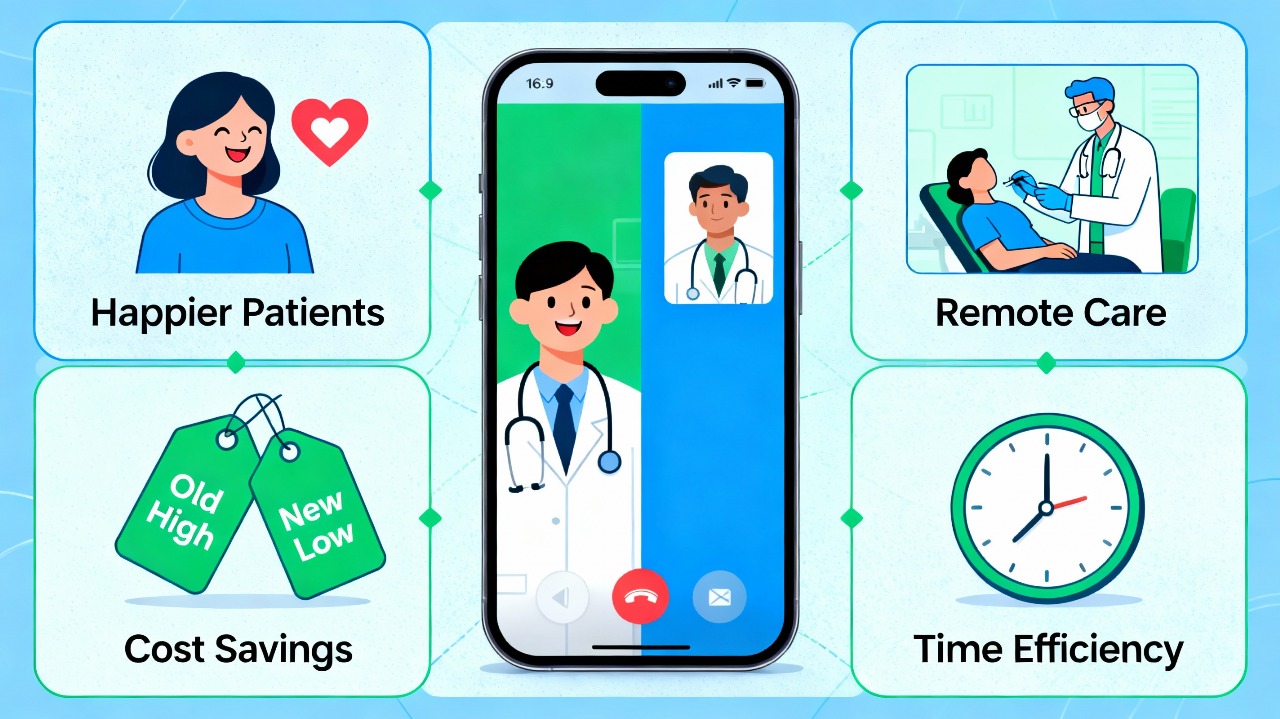
Developing a doctor on-demand app delivers powerful benefits for both patients and healthcare providers.
1. Instant Access to Medical Care
A doctor on-demand app eliminates the need for patients to travel to hospitals, wait in long queues, or schedule appointments weeks in advance. By simply opening the app, users can instantly connect with certified doctors through video, audio, or chat consultations. This real-time accessibility is especially valuable for people in remote areas, elderly patients, and those with mobility issues. Additionally, it reduces exposure to contagious diseases, making healthcare safer and more convenient.
2. Cost-Effective Healthcare
Telemedicine significantly reduces overall healthcare costs for both patients and medical institutions. Patients save money on transportation, clinic visits, and emergency room charges. For healthcare providers, online consultations lower operational costs such as staffing, equipment usage, and clinic maintenance. Many consultations can be handled virtually, which optimizes resources and increases efficiency. Overall, doctor on-demand apps make medical care more affordable and accessible to a larger population.
3. Enhanced Convenience
One of the biggest advantages of telemedicine apps is the convenience they offer. Patients can book appointments, attend consultations, download prescriptions, and access medical records directly from their device. They no longer need to store paper reports or visit clinics repeatedly for follow-ups. Everything— from appointment reminders to health tips — is managed seamlessly within the app. This 24/7 availability helps users receive care at their own comfort and schedule.
4. Increased Reach for Doctors
Doctors are no longer limited by geography. Through telemedicine platforms, healthcare providers can extend their services far beyond their clinics or cities. This helps doctors treat more patients, increase their earnings, and build a nationwide (or even global) patient base. Specialists can provide consultations to regions where certain expertise may not be available locally. This expanded reach also helps hospitals improve patient acquisition and deliver better healthcare access across wider areas.
5. Improved Patient Engagement
Doctor on-demand apps improve communication and engagement between doctors and patients. Features like chat support, reminders for follow-ups, personalized health tips, and automated medication alerts ensure patients remain actively involved in their treatment. Engaged patients are more likely to follow medical advice, resulting in better health outcomes. Continuous engagement also helps doctors monitor recovery progress and intervene early if symptoms worsen.
6. Data-Driven Healthcare
One of the biggest strengths of digital healthcare is data. Telemedicine apps provide advanced analytics and detailed insights to both doctors and administrators. The platform can track patient history, frequently reported symptoms, consultation patterns, and other health metrics. Admins can monitor platform performance, identify service gaps, and shape better policies. Doctors can analyze medical trends, understand patient behavior, and offer personalized treatment plans. Data-driven decisions lead to improved accuracy, efficiency, and overall healthcare quality.
7. Scalability
Doctor on-demand applications are designed to scale effortlessly as the user base grows. Whether the platform supports 100 patients or 1 million, cloud-based infrastructure and microservices ensure smooth performance without downtime. New features, specializations, or services can be added as the business expands. This makes telemedicine platforms an ideal long-term investment for startups and healthcare providers looking to grow sustainably in a competitive digital market.
Conclusion
Doctor on-demand applications are transforming the future of healthcare by making medical services more accessible, affordable, and efficient. As the demand for telemedicine continues to rise, businesses and healthcare providers have a golden opportunity to invest in modern, patient-centric mobile applications. With the right development partners, technology stack, and strategy, you can build a highly scalable, secure, and revenue-driven doctor on-demand platform that improves patient outcomes and enhances healthcare delivery.
Contact Us
We at ITech Solutions are always here to help you bring your ideas to life. Whether you have questions about our services or want to start a new project, we are ready to assist you with expert guidance and support.
Email: hr@itechs.co.in
Phone: +91-7976833560