
What Is the Rate My Professor App?

Rate My Professor is a peer-review, community-driven platform where students can share feedback about the professors they've taken courses with. The platform contains ratings for:
Teaching style
Course difficulty
Communication skills
Grading pattern
Class engagement
Overall experience
The purpose is to give future students a clearer understanding of what to expect when choosing a professor or course. Although originally designed for U.S. and Canadian universities, it has gained global visibility among students worldwide.
How Does the Rate My Professor App Work?
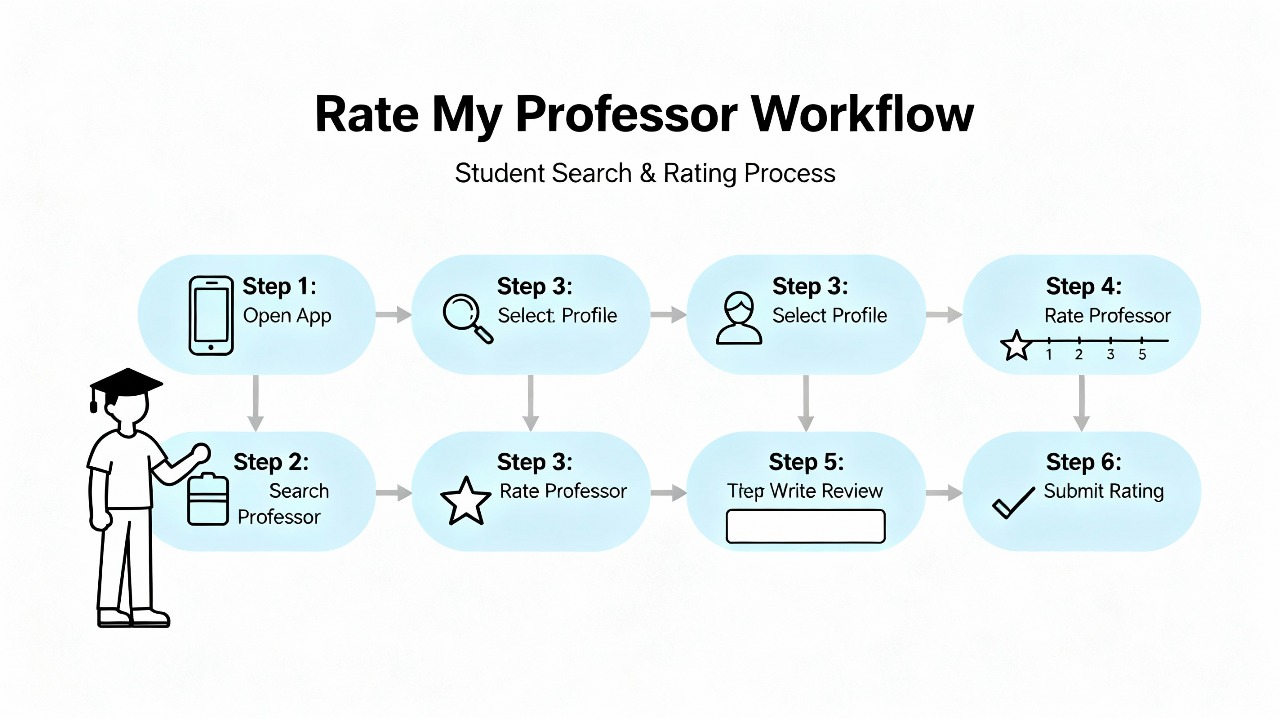
The Rate My Professor app works as a community-driven platform where students can search, read, and submit reviews about their professors. The process is simple, but each step plays an important role in helping students make informed academic decisions. Below is a detailed breakdown of how the system works:
1. Search for a Professor
The first step is using the app’s search feature to find a professor or course. Students can search by the professor’s name, department, or college to access their profile. Each professor’s listing displays key information such as their overall rating, the total number of reviews they’ve received, a difficulty score, and student comments. This helps users quickly assess whether the professor might be a good fit for their learning style. The search system is designed to be simple and intuitive, ensuring students can easily locate instructors—even in large universities with hundreds of faculty members.
2. Read Reviews & Tags
Once a student opens a professor’s profile, they can browse through detailed reviews submitted by other students. These reviews often describe teaching style, communication skills, classroom behavior, grading fairness, and overall experience. Along with reviews, the app includes helpful tags like “Gives good feedback,” “Clear grading,” “Funny,” “Tough grader,” “Lots of homework,” “Inspirational,” and more. These tags summarize common traits, allowing students to understand a professor’s character and teaching approach at a glance. Reading reviews and tags gives a more complete picture of the overall learning environment.
3. Leave a Review
Students who have taken a class with a professor can contribute to the platform by submitting their own review. The review process is anonymous, ensuring students feel comfortable sharing honest feedback without fear of judgment or backlash. When leaving a review, students provide:
An overall rating of the professor
A difficulty score evaluating how challenging the course was
A written comment describing their experience, teaching quality, and class environment
Attendance insights like whether attendance was mandatory
A recommendation option indicating whether they would take the professor again
These details help future students better understand the professor’s strengths and weaknesses. The anonymous submission system ensures that opinions remain candid and authentic.
4. Compare Professors
One of the strongest features of the platform is the ability to compare professors teaching the same course or department. Students often use this before course registration to decide which professor best fits their learning style, workload preference, or academic goals. By comparing ratings, difficulty levels, comments, and tags, students can identify instructors who offer clarity, patience, fairness, or engaging teaching styles. This comparison helps reduce confusion and ensures that students make well-informed choices—especially for subjects with multiple offered sections or challenging coursework.
Key Features of the Rate My Professor App
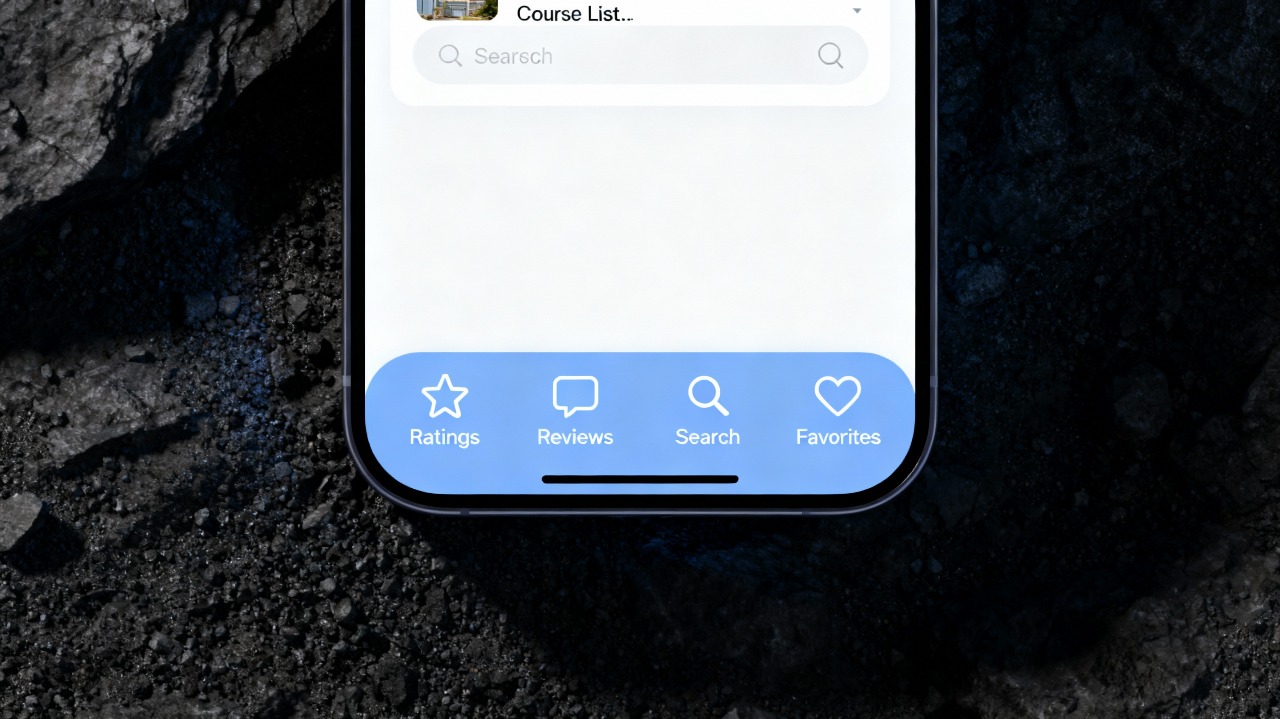
The app offers several features that make it an essential academic planning tool. Here is a detailed breakdown:
1. Professor Ratings & Detailed Reviews
The main feature of the platform is its rating system. Students rate professors on various aspects such as clarity, helpfulness, behavior, communication, workload, and difficulty. Comments often include personal experiences, class structure, teaching examples, and advice for future students. These honest, real-life insights help new students understand exactly what to expect in a course.
2. Course Difficulty Score
Every professor receives a difficulty score, usually on a scale of 1–5. This helps students determine how challenging the professor’s course might be. It’s particularly useful for planning tough semesters or balancing workloads across multiple subjects.
3. Tag-Based Feedback System
The app includes tags that summarize common experiences with a professor. Examples include:
“Respects students”
“Lots of homework”
“Amazing lectures”
“Tough grader”
“Gives extra credit”
“Clear grading criteria”
These tags provide at-a-glance insights without reading lengthy reviews.
4. University & Department Browsing
Students can browse professors by searching their college or department. This makes it easy to compare multiple professors teaching the same subject. For large universities with hundreds of faculty members, this feature is extremely valuable.
5. Anonymous Review Submission
Students can write reviews and share their experiences anonymously. This encourages open, honest, and unfiltered feedback without fear of backlash. Anonymous submission ensures students feel safe expressing both positive and negative opinions.
6. Quick Comparison Between Professors
The app makes it easy to compare professors teaching the same course. Students can weigh:
Ratings
Difficulty score
Student comments
Teaching styles
Assignment load
This comparison helps students select the professor best suited to their learning needs.
Benefits of Rate My Professor App
The Rate My Professor app has become a widely used tool among students because it offers insights that traditional educational systems often lack. Its community-driven structure helps students make better, more informed decisions regarding their professors and courses. Here is an expanded, detailed explanation of each benefit:
1. Helps Students Make Better Academic Decisions
One of the biggest advantages of Rate My Professor is its ability to guide students in choosing the right professor or course section. Universities often provide limited information about teaching style, workload, grading difficulty, or classroom experience. Students enrolling for a new semester are usually unsure which professor aligns with their learning style. Rate My Professor bridges this gap by offering real student experiences and honest feedback. By reading detailed comments and ratings, students can form a clearer picture of what a class will actually feel like. This helps them avoid professors who may not match their preferred learning environment and choose those who communicate clearly, teach effectively, and maintain a supportive classroom atmosphere. Over time, this results in better academic performance and reduced stress.
2. Adds Transparency to the Education System
Traditional education systems often lack transparency regarding faculty performance. Students rarely have access to unbiased reviews about a professor until they actually take their class. Rate My Professor brings openness to this process by giving students a platform to share their opinions publicly. Transparency encourages accountability—professors who consistently receive praise may continue maintaining high standards, while those facing recurring negative feedback can identify areas that need improvement. This feedback cycle can indirectly push educators to adopt better teaching practices or adjust their methods. For students, the availability of such open reviews means they are no longer entering courses blindly—they can make well-researched decisions based on collective experiences.
3. Saves Time and Reduces Semester Planning Stress
Course registration can be stressful, especially in large universities with multiple sections for the same subject. Choosing a professor without proper information often leads to unpredictable academic outcomes. Students may end up stuck in a difficult or incompatible class, resulting in frustration or even dropping the course. Rate My Professor reduces this uncertainty by giving students a preview of what to expect. By quickly comparing ratings, reading comments, and analyzing difficulty scores, students can finalize their choices faster and more confidently. This significantly cuts down the time spent asking seniors, searching social media groups, or taking risks on unknown professors. It also helps ensure that students don’t waste their time and effort on classes that don’t suit their learning needs.
4. Empowers Students Through Real Voices and Experiences
The platform empowers students by giving them a voice that traditional academic systems often overlook. Students can highlight positive experiences, praise exceptional professors, and warn others about problematic teaching styles or unfair grading practices. This open communication fosters a sense of community and shared learning among students. It also allows emotional or personal experiences to be acknowledged—such as how approachable a professor is, whether they encourage student participation, or how respectful they are in class. When students feel that their feedback matters and contributes to others’ success, it builds a stronger, more engaged academic environment.
5. Useful for Freshers, International Students, and Transfers
Starting at a new university can be overwhelming, especially for freshers or international students who have no idea about faculty reputations. Rate My Professor becomes a vital resource for them. It acts as a guidebook, helping new students understand which professors are supportive, which classes are demanding, and which instructors have good communication skills. This is particularly helpful for international students unfamiliar with academic norms or teaching styles in a new country. By reading experiences shared by others, these students can avoid unnecessary challenges and choose professors who offer clarity, patience, and structured guidance. Transfer students also benefit greatly, as they can get a quick overview of their new academic environment without relying entirely on guesswork.
6. Encourages Professors to Improve Teaching Quality
Although Rate My Professor is student-focused, professors indirectly benefit from it as well. When educators see constructive feedback, they can adjust their teaching styles, communication methods, or grading patterns. Positive reviews reinforce good practices, motivating teachers to maintain or enhance the quality of their courses. Negative reviews, if consistent and valid, can highlight gaps such as unclear explanations, heavy workloads, or poor communication. Many educators actively check their profiles to understand students’ perspectives. While not an official evaluation tool, it can still serve as a mirror that helps professors refine their approach and improve student satisfaction.
7. Provides Insights Not Available in Official Evaluations
University evaluations typically focus on structured questions about course content, attendance, or teaching methodology. These surveys often fail to capture the emotional or personal aspects of classroom interactions. Rate My Professor, on the other hand, provides insights into how students feel about the professor—whether the class is engaging, whether the professor is kind and understanding, or whether the workload feels fair. Students often share real-life scenarios, examples, or specific incidents that give potential students a much clearer understanding of what to expect. These authentic stories and experiences make the platform far more detailed and relatable than standard feedback forms.
8. Helps Students Avoid Negative Academic Experiences
Unfavorable academic experiences—such as unclear teaching, bias, rude behavior, or unfair grading—can significantly impact a student’s confidence and performance. By going through the reviews on Rate My Professor, students can avoid professors who consistently receive negative feedback for poor communication, disorganization, or excessive difficulty. This proactive step can prevent semester-long frustration and ensure a smoother learning journey. Instead of being stuck with a professor who doesn’t match their learning style, students can select instructors known for clarity, patience, and student-friendly teaching methods.
9. Builds a Strong Information Community Among Students
Rate My Professor fosters a sense of community where students help each other by sharing experiences and insights. This peer-support ecosystem is especially valuable for new students who don't yet have access to senior networks. The platform encourages collaboration, awareness, and mutual support, ensuring that knowledge is passed from one batch to the next. Over time, this creates a stronger academic culture built on transparency and shared experiences.
10. Assists in Long-Term Academic Planning
Beyond choosing professors for the coming semester, Rate My Professor can help students plan their entire academic path. By exploring course difficulty trends, feedback from previous years, and consistent professor behavior, students can schedule difficult subjects when they feel more prepared. They may also choose to take demanding classes with professors who explain topics clearly and offer extra support. This foresight can significantly improve academic performance and reduce stress during crucial semesters.
Limitations & Challenges of Rate My Professor App
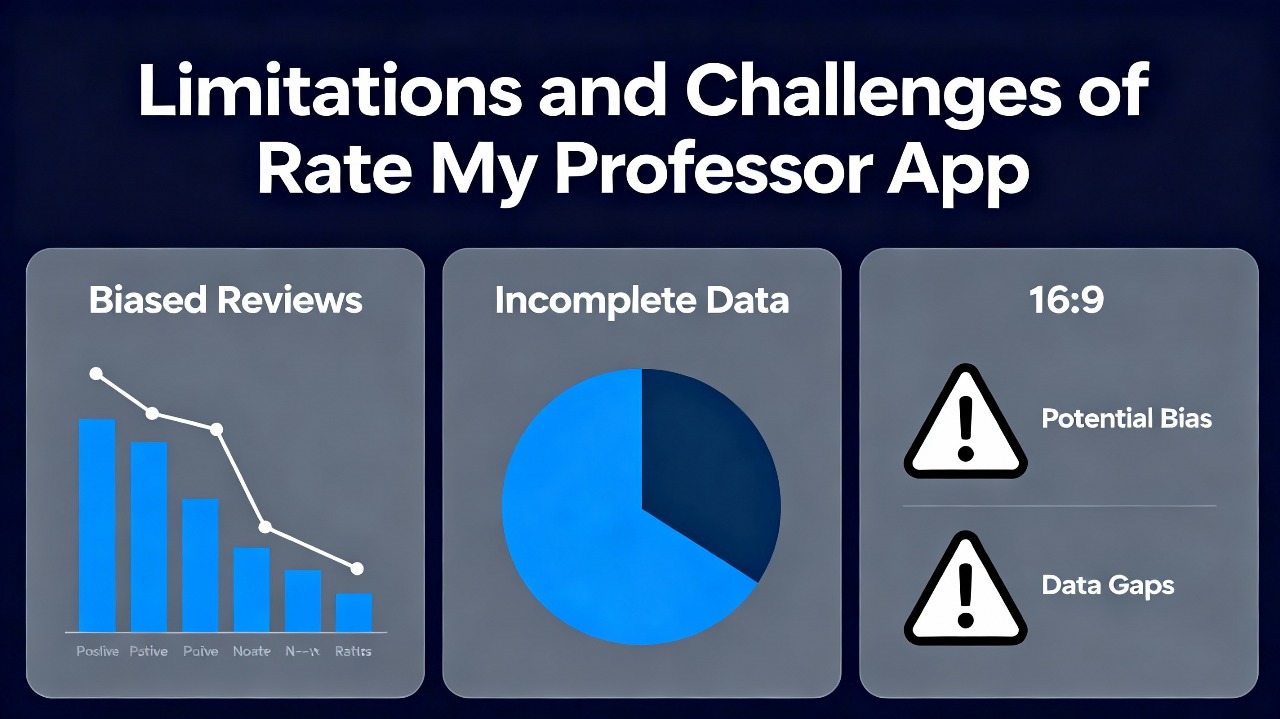
Despite its usefulness, the platform is not perfect. Here are its major limitations:
1. Bias and Subjectivity in Reviews
Some students may leave reviews based on personal frustration or unrelated issues. Similarly, positive reviews may be overly enthusiastic or biased. This subjectivity means ratings must be interpreted with caution.
2. Anonymous Submissions Can Be Unreliable
While anonymity encourages honesty, it also opens doors for exaggerated, emotional, or inaccurate reviews. Some ratings may come from students who never attended the course or are influenced by personal grudges.
3. “Easy Grader” Bias
Professors who grade leniently often receive better ratings, even if their teaching quality is average. Conversely, strict professors may receive lower ratings despite being excellent educators. This skews the platform’s reliability.
4. Limited Coverage Outside the U.S. & Canada
Rate My Professor is widely used in North America, but coverage in Asian, African, and European countries is limited. Students outside these regions may not find enough reviews for meaningful comparison.
5. Not an Official Evaluation Tool
Institutions conduct formal evaluations that are more structured and accurate. Rate My Professor should be seen as a complementary tool—not the sole indicator of teaching quality.
Impact of Rate My Professor on Student Academic Performance
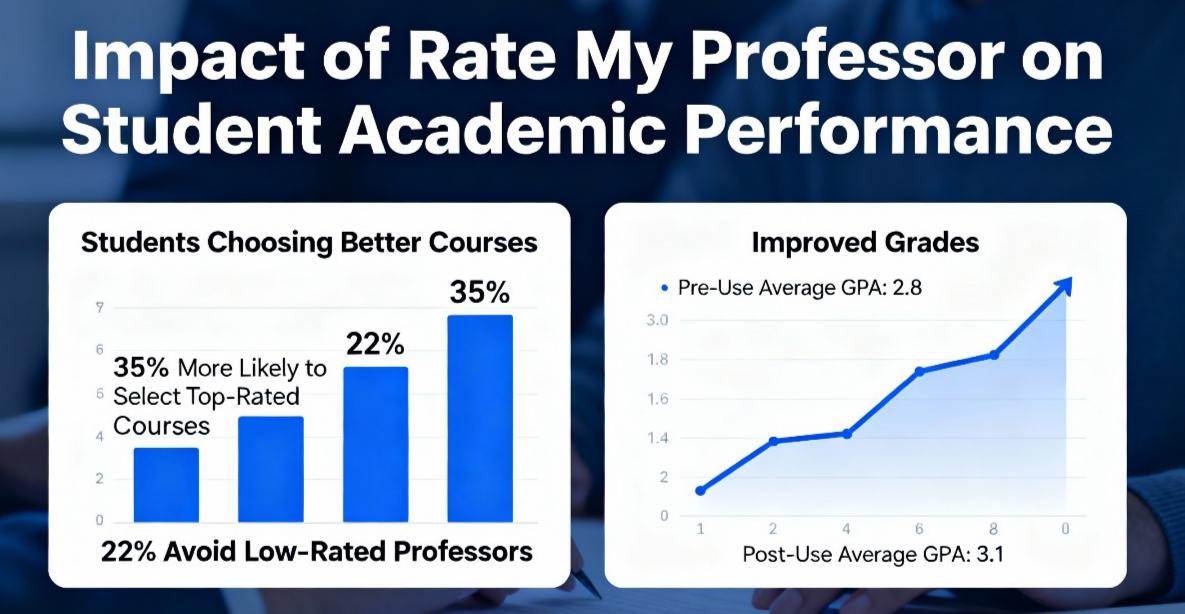
The Rate My Professor platform plays a significant role in shaping the academic choices and study patterns of college students. Its influence extends beyond simple course selection and can deeply affect overall academic performance. Here’s a detailed analysis of its impact:
1. Helps Students Choose Suitable Teaching Styles
Students learn differently—some prefer structured lectures, while others benefit from interactive and discussion-based teaching. Rate My Professor reviews highlight these differences clearly. By choosing a professor who matches their preferred method of learning, students tend to perform better academically and engage more actively in class.
2. Improves Course Planning and Workload Balancing
Students often use the platform to assess how demanding a professor may be. Difficulty scores and workload-related reviews help students plan their semester more strategically. Those taking multiple heavy courses can avoid extremely tough graders in the same term, reducing burnout and improving grades.
3. Reduces Anxiety and Academic Stress
Entering a course without any expectations can create uncertainty. By reading about teaching patterns, grading fairness, and exam structure, students feel more prepared. This sense of predictability lowers anxiety, which can positively influence performance and confidence.
4. Encourages Higher Engagement and Participation
When students feel aligned with their professor, they tend to participate more, ask questions, and build strong academic relationships. This engagement leads to better grades, deeper understanding, and a more fulfilling academic experience.
5. Potential Negative Impacts
However, the platform can also create biases. Students may avoid challenging professors, believing they might lower their GPA, even if those professors teach deeply valuable content. Relying too heavily on ratings can result in academic stagnation, limiting personal growth and exposure to rigorous courses.
Impact on Professors & the Teaching Community
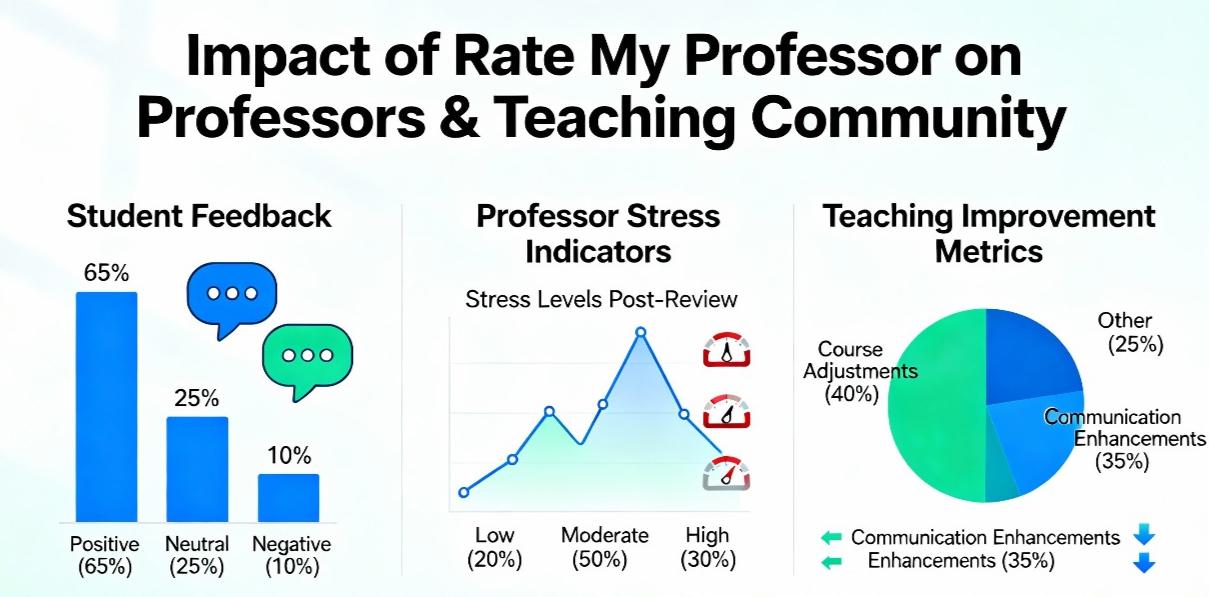
Rate My Professor has significant effects on educators, both positive and negative. Here’s a detailed look at how the platform influences the teaching community:
1. Encourages Self-Improvement Through Feedback
Many professors read their reviews to understand how students perceive their teaching. Constructive criticism helps them refine communication, adjust course structure, and become more student-friendly. Positive reviews validate good teaching and boost morale.
2. Promotes Transparency and Accountability
The public nature of the platform encourages educators to maintain consistency, fairness, and clarity. Professors become more aware of how their actions—like grading policies, feedback quality, or classroom attitude—impact student experience.
3. Improves Student-Teacher Relationships
When professors understand students’ expectations through reviews, they can tailor their approach to create a more comfortable, engaging classroom environment. This improves trust and communication between both sides.
4. Challenges and Stress Factors
However, the platform also brings emotional pressure.
Negative reviews—even unfair ones—can harm a professor’s reputation.
Anonymity sometimes allows personal attacks or exaggerated complaints.
“Popularity pressure” may push some professors to be more lenient with grades to receive positive ratings.
5. Influence on Teaching Methods
Some educators may shift their teaching style to align with student preferences rather than academic rigor. This creates concerns about the platform indirectly lowering academic standards.
In summary, while Rate My Professor can help professors grow, it can also contribute to stress, misjudgment, and skewed perceptions.
Conclusion
The Rate My Professor app remains one of the most widely used and influential platforms for student reviews in the academic world. It helps students make informed, confident decisions when selecting professors and courses. However, users must understand its limitations and combine it with other sources of information for a balanced perspective.
When used responsibly, Rate My Professor becomes a valuable tool that improves transparency, enhances student awareness, and contributes to a better learning experience overall.
Contact Us
We at ITech Solutions are always here to help you bring your ideas to life. Whether you have questions about our services or want to start a new project, we are ready to assist you with expert guidance and support.
Email: hr@itechs.co.in
Phone: +91-7976833560