
What is an auction app?
An auction app is a website or phone program where people sell things by bidding. Sellers list an item. Buyers place bids (offers of money). The highest bid when the auction ends wins the item. Some apps run live auctions (you bid in real time while the auction is happening). Others run timed auctions (bidding closes at a set time). Many apps also let sellers offer “buy now” prices beside the auction.
Why use an auction app?
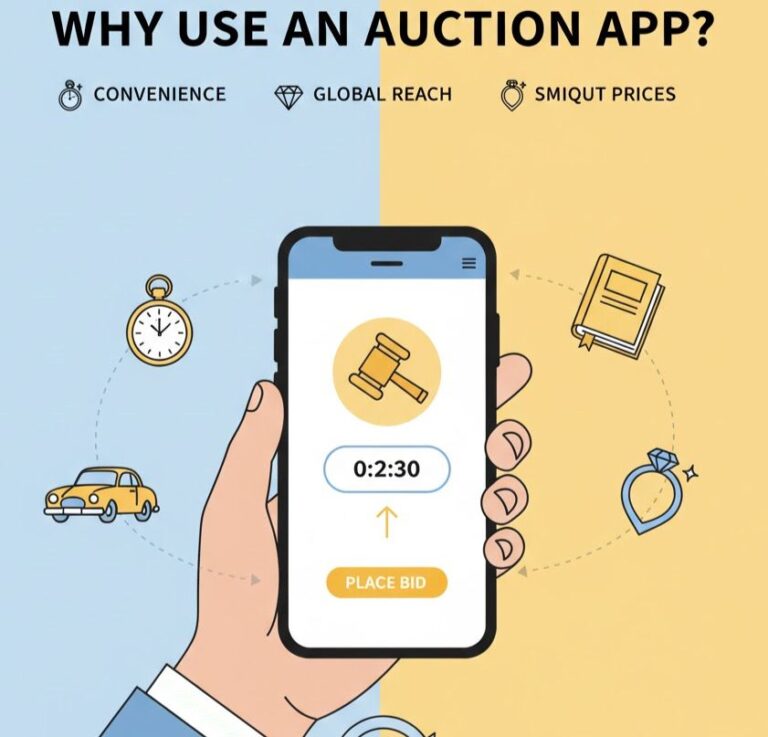
Auction apps make buying and selling fast and wide. As a buyer, you can find rare items, antiques, art, used goods, or bargains from many sellers around the world. You can join from home using your phone. As a seller, you can reach many buyers quickly, get competitive prices, and use platform tools (like photos, shipping options, and seller dashboards). For some goods—like collectibles or art—auction apps can get a better price than a normal sale because many buyers compete at once. If you want to buy or sell without going to a physical auction house, an auction app is an easy choice.
Main types of auction apps
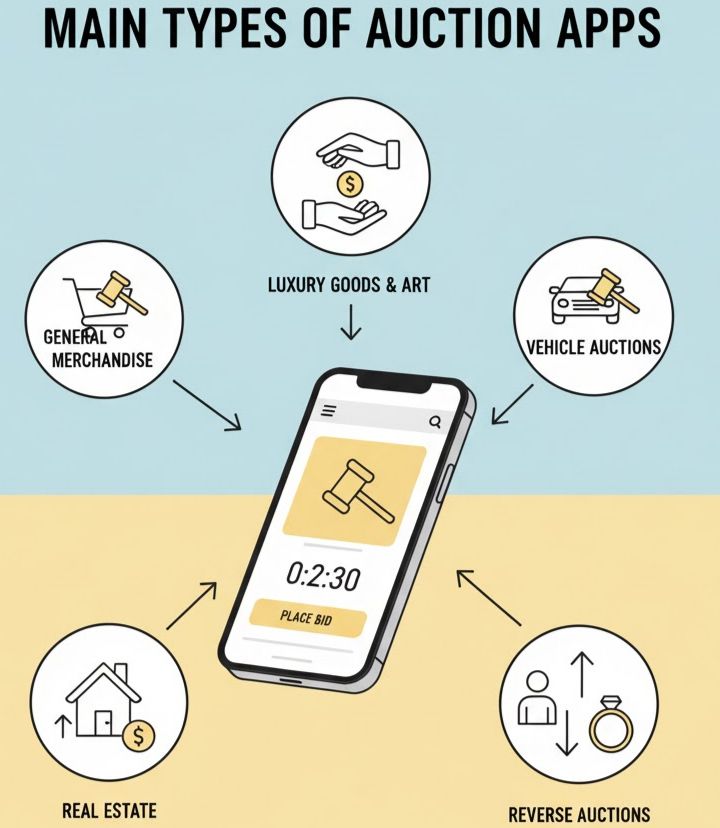
1. Big general marketplaces
These are large online platforms where you can buy and sell almost anything. They include products from many categories such as electronics, clothes, home items, books, cars, and even collectibles.
The best example of this type is eBay, which is one of the oldest and most trusted auction apps in the world.
In these apps, you can find two main ways to shop:
Auction-style listings, where people bid against each other and the highest bidder wins when the time runs out.
Fixed-price listings, where you can buy the item immediately using the “Buy It Now” option.
Such apps are perfect for people who want to sell secondhand or used products, or those looking to buy everyday items at low prices.
Another good thing about these marketplaces is that they have buyer and seller protection features. This means if something goes wrong — for example, you don’t receive your item or it’s not as described — you can report it, and the app may refund you.
Overall, big marketplaces like eBay are great for beginners because they are easy to use, safe, and familiar to everyone.
2. Live-auction aggregators / auction-house portals
These are special apps that bring together live auctions from many auction houses around the world. Instead of going to each auction in person, you can watch and bid directly from your phone or computer. Popular examples are LiveAuctioneers and Invaluable.
These apps are designed mainly for people who love antiques, fine art, jewelry, collectibles, furniture, and other valuable items. They work by showing a live video or stream from the auction room, so you can experience the excitement of a real auction — all from home.
When you bid, it happens in real time. You can hear the auctioneer, watch the bids come in, and place your own bid instantly. It feels like you’re there, but without needing to travel.
Such apps are trusted because they work only with verified auction houses, so the risk of fake or poor-quality items is much lower.
In short, if you are someone who wants unique or rare items and enjoys the thrill of live bidding, these apps are the best choice.
3. Curated / expert-checked auctions
These auction apps focus on quality and trust. Every item listed on them is checked and approved by a team of experts before it appears in the auction. One of the most popular curated auction apps is Catawiki.
In this type of platform, you will not find random sellers. Instead, every item — whether it’s a piece of art, a collectible, a watch, or a design object — goes through a review process. This means professionals look at its details, authenticity, and value before allowing it to be sold.
This approach gives buyers more confidence because they know the item is genuine and fairly described. It also makes it easier for sellers who have special or rare products to reach the right audience.
So, curated auction apps are great for people who want to buy verified, high-quality, or rare items but prefer a more secure and trusted environment.
4. Live shopping / social auction apps
These are newer and more modern types of auction apps that combine live video streaming with bidding. They feel like a fun mix of a live show and an online auction. Sellers or hosts go live on camera, show their products, and people watching the stream can place bids directly through the app.
One of the most popular examples is Whatnot, which is widely used for collectibles, toys, trading cards, and pop culture items. These apps are very interactive — you can talk with the seller, ask questions, and see the product live. This makes the experience more social and exciting, especially for younger audiences who enjoy live content.
The live format also creates a sense of urgency — since people are bidding in real time, you have to act quickly if you really want an item. Overall, live shopping auction apps are best for people who want a fun, fast, and engaging way to buy or sell collectibles and connect with a community of like-minded buyers.
5. Real-estate auction apps
Real-estate auction apps focus on selling properties like houses, apartments, land, and commercial buildings. These platforms make it easy for investors and homebuyers to find properties available for auction.
A good example is Auction.com, which specializes in property auctions, including bank-owned homes, foreclosures, and government-owned real estate.
These apps usually include detailed property listings with photos, maps, legal documents, and pricing information. You can register, inspect the property details, and place bids directly through the app. The main advantage of these apps is that they offer transparent pricing and sometimes help you get properties at a lower price than the regular market rate.
However, you need to understand the rules, as real-estate auctions often require deposits and have strict timelines.
In summary, real-estate auction apps are perfect for investors and serious buyers who are looking for properties through a quick, transparent, and competitive process.
6. Specialty auction apps
These are apps built for a specific market or niche. They don’t sell everything — they focus on one type of item or one type of audience.
For example:
Proxibid — specializes in heavy equipment, industrial machinery, and vehicles.
HiBid — works with local auctioneers to host various local and niche auctions.
Charity auction apps like Handbid and BiddingOwl are used by organizations for silent auctions and fundraising events.
The main goal of these apps is to serve buyers and sellers who deal in specialized products that need detailed listings and expert knowledge. If you are looking for something very specific — like farm equipment, collectible cars, art pieces, or charity events — these apps are the right choice. They provide custom tools and filters suited to that market, making it easier to bid and track auctions in your area of interest.
So, specialty auction apps are best for people who want to participate in niche markets, where buyers and sellers share similar interests and knowledge.
How an auction app works — step-by-step
For Buyers
1. Create an Account
The first thing you need to do is sign up or create an account on the auction app. Most apps ask for your basic information like your name, email address, and a password. You also need to add a payment method, such as a credit card, debit card, or PayPal account.
For higher-value auctions (like jewelry, art, or real estate), the app might ask you to verify your identity by submitting an ID proof or financial document. This step is important to make sure only genuine users take part in big auctions. Creating an account also lets the app track your bids, purchases, and messages easily.
2. Search and Watch Lots
Once your account is ready, you can start browsing the items — called lots — that are up for auction. Auction apps usually have search bars and filters that help you find exactly what you want, such as by category (art, electronics, collectibles), price range, or auction date.
If you find something you like, you can “watch” or “save” that lot. This adds the item to your watchlist so you can keep an eye on it until the auction starts or ends. The app will send you notifications if there are updates, bids, or when the auction is about to close.
This step helps you plan your bidding strategy and make sure you don’t miss the items you really want.
3. Register for the Auction
Before you can actually place bids, you may need to register for a specific auction. Some auction houses or platforms require registration because they want to check that all bidders are serious and have valid payment details.
Sometimes registration is instant, but in other cases, especially for high-value auctions, the app or auction house might manually approve your participation. You might also have to agree to terms and conditions, like how payment and shipping will work if you win. Once you’re registered, you’re ready to join the auction and start bidding.
4. Place Bids
This is the most exciting part — bidding! When the auction starts, you can bid in two main ways:
Live bidding: You join the auction in real time. The app shows bids as they happen, and you can click or tap to increase your offer. This is similar to being in a real auction room.
Maximum (proxy) bidding: You set the maximum amount you are willing to pay for the item, and the app automatically bids for you in small increments until your limit is reached.
This is a helpful feature because you don’t have to stay online the whole time. The app will make sure you stay the highest bidder until someone outbids your limit.
During the bidding process, the app updates you when:
Someone places a higher bid.
You are the highest bidder.
The auction is about to end.
It’s always smart to set a budget and stick to it so you don’t overspend during the excitement of bidding.
5. Win and Pay
If you’re the highest bidder when the auction ends, congratulations — you’ve won the auction! After winning, you’ll see an invoice or payment request inside the app. This shows:
The final price you bid.
Any buyer’s premium (an extra fee the platform adds, usually a percentage).
Taxes or shipping costs if applicable.
You’ll then make the payment using your saved payment method or as instructed by the seller or auction house.
Once payment is completed, you can arrange shipping or pickup. Some auction apps include integrated shipping services, while others let you contact the seller to decide how to receive your item.
Most apps also send you tracking information so you can monitor your delivery. Keep your receipts and messages safe until your item arrives in good condition.
For Sellers
1. Create a Seller Profile
To start selling, you must first create a seller account or profile.
This usually requires identity verification to ensure you’re a genuine seller. The app might ask for business details, tax information, or proof of ownership for valuable items.
Having a verified seller profile helps you build trust with buyers. It also allows you to use extra seller features, such as analytics, bulk uploads, or promotional tools.
2. List the Item
After your account is approved, you can list your item for auction. This step is very important because your listing will decide how much interest your item gets.
You need to:
Upload clear, high-quality photos of your item from different angles.
Write an honest and detailed description, including size, condition, brand, and any history or certificate if available.
Set your starting bid price (the lowest amount you’ll accept).
Choose whether you want to include a reserve price (the minimum price you’ll sell for, even if the highest bid doesn’t reach it).
Add your shipping terms, such as whether you’ll ship internationally or charge extra fees.
3. Choose Auction Type
Next, decide what kind of auction you want to run:
Timed Auction: Runs for a fixed period (for example, 5 days). Bidders can join anytime before it ends.
Live Auction: Happens in real time. People bid live through the app, often with a countdown or live host.
Fixed-Price Sale: Instead of bidding, you set one price and buyers can purchase immediately (“Buy Now” option).
Choosing the right type depends on what you’re selling. For collectibles or unique items, live auctions usually get more excitement. For common products, timed auctions or fixed prices may work better.
4. Run the Sale
Once your auction starts, you can monitor it through the app.
You’ll be able to see how many people are watching, how many bids are placed, and who the highest bidder is.
Most auction apps automatically handle:
Bid tracking
Notifications
Payment invoices
Buyer communication
Some apps even offer extra help with shipping, packaging, or advertising your listing to reach more bidders. During this stage, it’s important to stay responsive — answer buyer questions quickly and honestly.
5. Fees and Payout
After the auction ends and the buyer pays, the app or auction house will take a seller fee or commission from the total amount. This fee can vary depending on the platform — usually between 5% to 15% of the sale price.
Once fees are deducted, the rest of the payment is transferred to your bank account or digital wallet within a few days.
Before listing your item, always read the platform’s fee structure carefully so you know exactly how much you’ll earn after all deductions.
Best auction apps
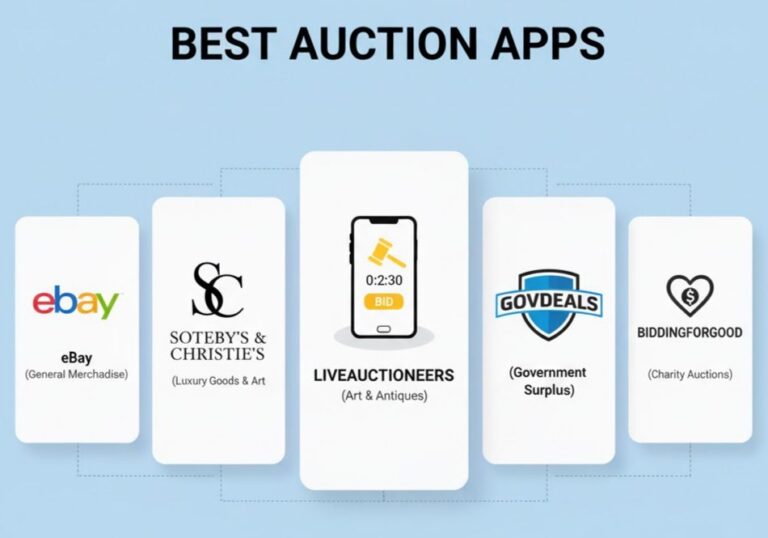
1. eBay — best for general buying and selling
What it is: One of the oldest and biggest online marketplaces. You can auction, sell at fixed price, or use “best offer.”
Why people use it: eBay has many buyers and sellers around the world. The app is easy to use and offers buyer protections like the eBay Money Back Guarantee and some authenticity checks for branded goods. This makes it safe for secondhand buying and selling. If you want a big audience and many categories (clothes, electronics, collectibles), eBay is a top choice.
2. LiveAuctioneers — best for antiques and specialist auction houses
What it is: A platform that connects many local auction houses and streams their live sales online.
Why people use it: You can bid in real time on auctions happening in many cities. The app shows catalog details, photos, and lets you leave absentee bids. It is good for collectors who want antiques, art, furniture, and specialized lots. If you want to bid in professional auctions (not just casual listings), LiveAuctioneers is a solid choice.
3. Invaluable — best for fine art and premier auction houses
What it is: Online marketplace for art, antiques, and high-value collectibles from trusted auction houses worldwide.
Why people use it: Invaluable partners with many well-known auction houses. It offers live bidding and tools made for art buyers, such as good catalog browsing and item details. If you care about provenance and auction-house standards, Invaluable is a strong pick.
4. Catawiki — best for curated collectibles and expert-checked items
What it is: A platform that curates items. Experts check each lot before it appears in an auction. Auctions run weekly for special categories.
Why people use it: The expert review adds trust. Many buyers like that items are selected and described by specialists. If you want verified and unusual objects (rare toys, design pieces, special collectibles), Catawiki can help reduce the risk of fakes or bad descriptions.
5. Whatnot — best for live-stream collectibles and trading cards
What it is: A social live-shopping app where hosts sell items during livestream shows and buyers bid or buy live in chat.
Why people use it: It’s energetic and community-driven. Collectors for trading cards, toys, sneakers, and hobby goods often prefer Whatnot because of the live shows and fast auctions. The platform grew quickly and handles many live sales—good for sellers who like streaming and buyers who enjoy live events.
6. Auction.com — best for real estate auctions
What it is: A platform focused on property auctions: homes, foreclosures, and land.
Why people use it: It gives property details, search tools, and remote bidding for investors. If you want to bid on houses or investment properties, Auction.com is built for that market and offers due-diligence documents and remote bid tools.
7. Sotheby’s & Heritage Auctions — best for top-level art and collectibles
What they are: Famous auction houses that also run strong online and mobile auctions. Sotheby’s focuses on high-end art, jewelry, and luxury items. Heritage covers collectibles like coins, comics, and entertainment memorabilia. Both have mobile apps to follow auctions and bid. If you have very valuable items or want proven, top-level auctions, these houses are among the best.
8. Proxibid & HiBid — best for big equipment, estates, and many local auctions
What they are: Platforms that let many auctioneers run live or timed sales online. They serve niche categories: heavy equipment, farm gear, estates, vehicles, and local lots. They offer live audio/video streams, proxy bidding, and multi-auction tools. Use them if you want industry-specific auctions or local auction listings in one place.
Fees and payments
Most auction apps charge fees. These can include:
Buyer’s premium: an extra charge on top of the winning bid. Many auction houses add this.
Payment fees: processing charges for credit cards or wire transfers.
Seller fees/commissions: the platform or auction house takes a percent of the sale when you sell.
Listing fees: sometimes platforms charge to list an item.
Fees vary a lot between platforms and by category. Always read the platform’s fee pages before you buy or sell. Some platforms let you pay by card, bank transfer, or platform wallet; high-value sales sometimes need wire transfer or extra verification.
Conclusion
There is no single best auction app for everyone. The best choice depends on what you want to buy or sell and how you like to shop. If you want everyday bargains and a huge audience, eBay is often best. If you want fine art and trusted auction houses, choose Invaluable, LiveAuctioneers, Sotheby’s, or Heritage. If you want live-streamed collectible drops, Whatnot is a top choice. For real estate, use Auction.com. For local estate sales or equipment, Proxibid and HiBid are strong options.
Always read the platform rules, check fees, and use safe payment methods. Start small, learn the platform, and then use it for bigger items. With care, auction apps give you access to many buyers and sellers and can make finding rare items or getting good sale prices much easier.
Contact Us
We at ITech Solutions are always here to help you bring your ideas to life. Whether you have questions about our services or want to start a new project, we are ready to assist you with expert guidance and support.
Email: hr@itechs.co.in
Phone: +91-7976833560