
What Are iPhone App Development Companies?
iPhone app development companies are businesses that create mobile applications specifically for Apple's iOS platform, which runs on iPhones, iPads, and other Apple devices. These companies design, develop, test, and maintain apps that users download from the App Store. They use programming languages like Swift and Objective-C and Apple’s official development tools to build apps that are fast, secure, and user-friendly. Their work includes apps for various industries such as healthcare, education, finance, and entertainment.
What to Look For in a Top iPhone App Development Company
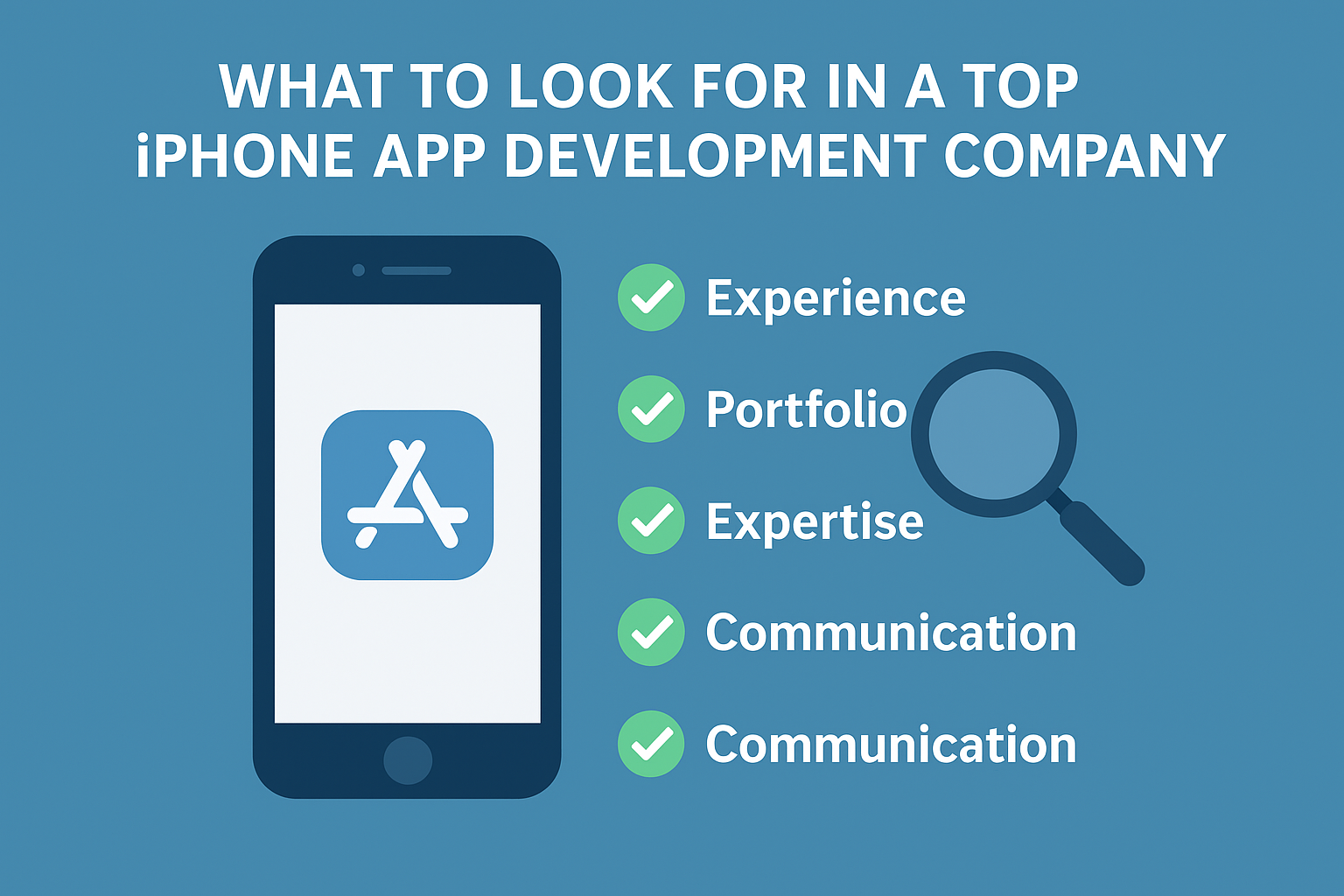
To find a reliable app development company, consider these factors:
Experience and Expertise: Experience is very important when choosing a company to develop your iPhone app. Look for companies that have been working with iPhone apps for many years. They will understand Apple’s rules and technical needs better and can avoid common mistakes. Also, check if they have made apps in your industry, like healthcare or finance, which helps them build your app faster and better.
Technical Skills: The company should have developers who know how to use Swift and Objective-C, the main languages to create iPhone apps. They should also be experts in Apple’s tools like Xcode and familiar with modern frameworks such as SwiftUI and ARKit. Good technical skills ensure your app will be fast, safe, and have modern features that users expect.
Portfolio: Look at their portfolio, which shows apps they have developed before. This helps you see their skill and style. Download some apps to check how smooth and user-friendly they are. A company with a wide range of app types in their portfolio is more likely to meet your project’s needs and challenges.
Industry Knowledge: It is helpful if the company knows your business area. Different industries have special rules and user needs. For example, healthcare apps need strong privacy, while finance apps need high security. A company familiar with your industry can develop an app that suits your users and follows all the important rules.
Communication: Good communication between you and the app company is very important. They should keep you informed about progress and listen to your feedback. A project manager should be assigned to answer your questions and make sure everything moves smoothly. Clear communication helps avoid misunderstandings and delays.
Support and Maintenance: After your app is launched, it still needs care. The company should provide support to fix bugs, improve performance, and update the app for new iPhone models or iOS versions. Ongoing maintenance keeps your app working well and keeps users happy for a long time.
How iTech can help you in iPhone app development
Developing an iPhone app is not just about writing code – it’s about creating a seamless, user-friendly digital experience that aligns with Apple’s high standards while also solving real business problems. iTech, with its strong expertise in mobile solutions, plays a vital role in helping businesses and startups build, launch, and maintain successful iOS applications.
1. End-to-End Development Approach
iTech covers the entire lifecycle of iPhone app development. This starts with requirement gathering and idea validation, where their experts work closely with clients to understand the business goals, target audience, and expected features. From there, they move on to prototyping, wireframing, and designing intuitive user interfaces that align with Apple’s Human Interface Guidelines. The development team then builds the app using cutting-edge tools and frameworks, followed by rigorous testing to ensure high performance and security. Finally, iTech assists with smooth deployment on the Apple App Store.
2. Expertise in iOS Technologies
iTech employs skilled developers proficient in Swift, SwiftUI, and Objective-C, as well as frameworks like UIKit, Core Data, and ARKit. This ensures that apps are not only functional but also future-ready. Whether it’s integrating Apple Pay, Face ID authentication, or AR/VR features, iTech leverages the latest iOS capabilities to enhance user experience and keep your app aligned with current technology trends.
3. Customized Business Solutions
Every business is unique, and iTech recognizes this. Instead of delivering cookie-cutter apps, they create customized solutions tailored to specific industries such as e-commerce, fintech, healthcare, education, real estate, or entertainment. By focusing on the client’s goals, iTech ensures the final product resonates with its target users and adds measurable business value.
4. Compliance with Apple’s Standards
One of the biggest challenges in iPhone app development is meeting Apple’s strict App Store review and compliance guidelines. iTech’s team ensures that your app follows all design, security, and privacy requirements. This reduces the risk of rejection during the submission process and speeds up the launch.
5. Scalability and Security
Security is a top priority for iTech. Apps are built with robust data encryption, secure authentication mechanisms, and GDPR/CCPA-compliant processes. At the same time, iTech designs apps that can scale effortlessly as your business grows – handling more users, higher traffic, and advanced features without compromising speed or quality.
6. Continuous Support & Maintenance
iTech’s involvement doesn’t stop at launch. They provide long-term support and maintenance, ensuring apps remain compatible with new iOS versions and iPhone devices. Regular updates, bug fixes, and feature upgrades keep the app relevant, competitive, and engaging for users.
7. Cost-Effective & Agile DevelopmentBy following agile development methodologies, iTech ensures faster turnaround, transparency in progress, and cost-effective delivery. Clients get regular updates, sprint reviews, and opportunities to refine features as development progresses. This flexibility helps businesses launch faster while staying within budget.
Different Services These Companies Offer
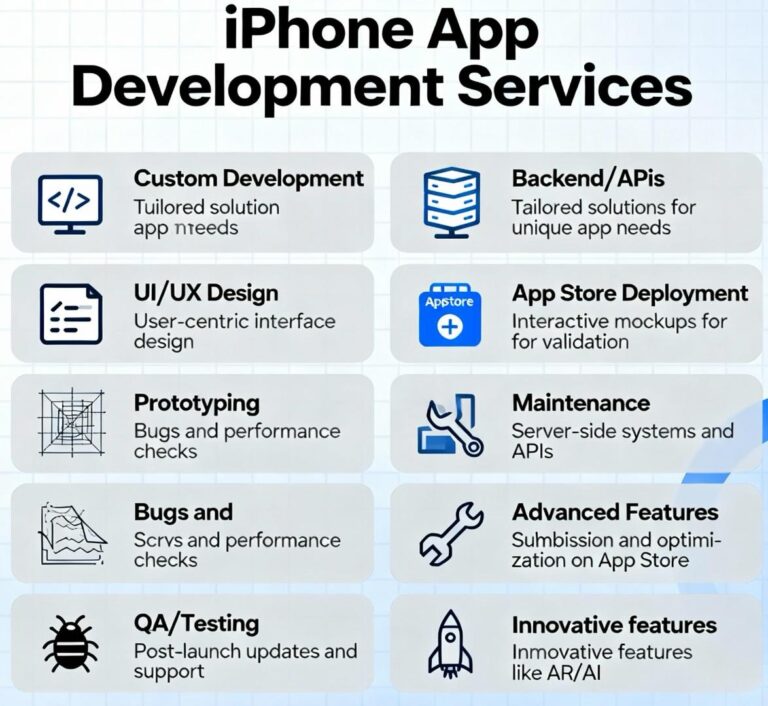
These companies provide a range of services beyond just app creation:
Custom App Development: This involves building apps uniquely tailored to a client’s exact business needs and goals. Developers create personalized features and workflows that align with the app’s purpose and target audience. Such custom solutions maximize efficiency and engagement, rather than using generic templates that may not fully satisfy complex requirements.
UI/UX Design: Expert designers craft visually attractive and easy-to-navigate user interfaces (UI) paired with seamless user experiences (UX). They use wireframes, prototypes, and user flow diagrams to plan how users will interact with the app. Attention is given to iOS design principles, animations, gestures, and responsive layouts so the app feels natural on iPhones and iPads.
Prototyping: Early interactive app versions (prototypes) are created to allow clients and stakeholders to test out the app concept before full development begins. This step helps validate ideas, get feedback, and make adjustments that save time and cost down the road.
Quality Assurance (QA) and Testing: Thorough testing ensures the app is bug-free, secure, and performs well on all target devices and iOS versions. QA teams perform functional, usability, performance, security, and compatibility tests. Automated testing tools and real-user beta testing via TestFlight are combined for best results.
Backend Development and Integration: Complex apps require server-side logic. Top companies build and integrate powerful backends, APIs, and cloud infrastructures to handle data storage, user authentication, push notifications, and real-time updates. Secure and scalable backend integration is crucial for apps like social platforms, eCommerce, and SaaS solutions.
App Store Deployment: The companies manage the entire app submission process, ensuring all Apple guidelines are met and metadata (app description, screenshots, keywords) is optimized for better App Store visibility. They handle certification, provisioning profiles, and launch timing.
Post-Launch Support and Maintenance: After launch, continuous monitoring, updates, and improvements are necessary to fix bugs, add features, and adapt to new iOS releases or devices. Reliable companies offer long-term partnerships with ongoing technical support and user analytics to keep the app competitive.
Advanced Features: Many companies specialize in integrating cutting-edge technologies like Artificial Intelligence (AI) for personalization, Augmented Reality (AR) and Virtual Reality (VR) for immersive experiences, and cloud services for data synchronization and scalability. These features differentiate apps with innovative user engagement techniques.
How to Choose the Right Company for Your iPhone App
Choosing the best development partner for your app requires careful consideration of various factors beyond just costs.
1. Define Your App Requirements Clearly
Before starting, write down exactly what you want from your app. This includes its purpose, main features, who will use it, and on which platforms (like iPhone or iPad). Clear goals help the developers understand your vision better. When everything is explained clearly, there are fewer chances of mistakes. This also makes the whole process faster and smoother.
2. Review Portfolios and Client Feedback
Always check the company’s previous work to see the quality of apps they have built. Look at their portfolio, download some of the apps, and test how they work. Client reviews and case studies also give you a good idea about their reliability. This helps you know if the company delivers what they promise. A strong portfolio shows experience and trust.
3. Understand Their Development Process and Technology Stack
Ask the company about the tools and languages they use, like Swift, Objective-C, or SwiftUI. Also, check if they follow modern methods such as Agile or Scrum to manage projects. Knowing their process helps you understand how they will build and test your app. A company with a strong tech stack and proper process usually avoids delays. It also ensures your app will be updated with the latest technology.
4. Evaluate Pricing, Budget, and Value
Cost is important, but it should not be the only factor. Some companies may charge low but fail to deliver quality apps. Check if their pricing model (hourly, fixed, or milestone) matches your budget. It is better to pay a little more for quality and long-term support. Always choose a company that gives you real value for your money.
5. Ensure Ongoing Support and Update Services
An app is not finished after launch—it needs regular updates and bug fixes. Make sure the company offers long-term support after delivery. Ask if they provide quick fixes for issues and updates for new iOS versions. A reliable support team ensures your app keeps running smoothly. This also helps you maintain user satisfaction.
6. Assess Communication and Project Management
Good communication is very important for a successful project. The company should update you regularly and listen to your feedback. A project manager should handle communication and solve issues quickly. Transparency in meetings, timelines, and reports makes things easy. Poor communication often leads to confusion and delays.
7. Check Cultural Fit and Collaboration Style
Choose a company that matches your working style and values. If they understand your goals and can work in your preferred language, collaboration becomes easier. Cultural fit also means they share the same respect for deadlines and quality. Good chemistry between you and the team leads to better results. A strong partnership makes the whole journey smooth and productive.
Benefits of Hiring a Top iPhone App Development Company
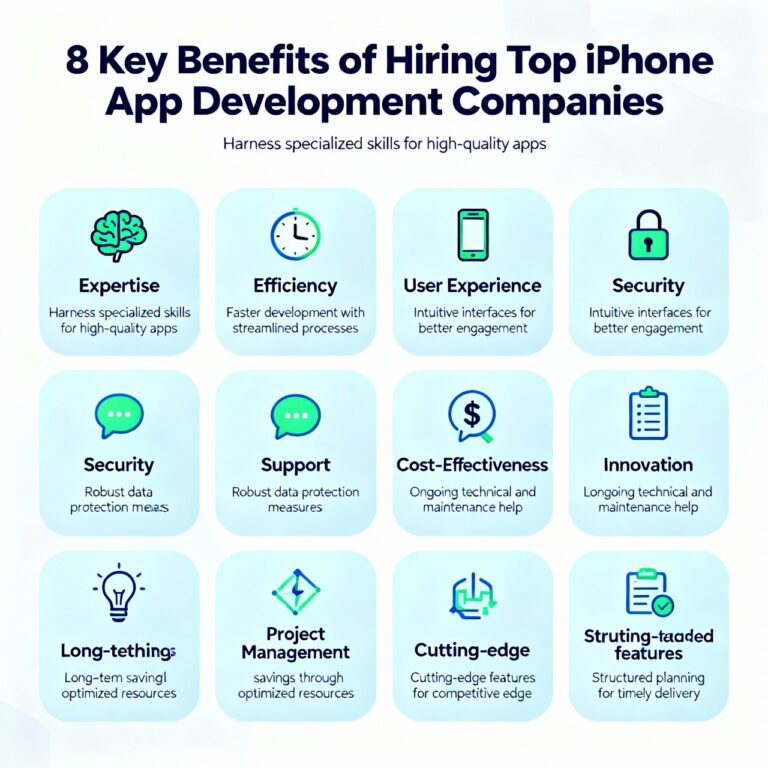
1. Professional Quality and Expertise
When you work with a top iPhone app development company, you get access to a team of skilled experts who understand Apple’s guidelines, coding standards, and user expectations. These companies hire experienced developers, designers, and testers who know how to create apps that are smooth, fast, and reliable. They use the latest tools and technologies like Swift, SwiftUI, and ARKit to make apps modern and future-ready. This professional quality ensures your app will look polished and perform well, giving users a positive first impression.
2. Faster and More Efficient Development
Top companies follow proven processes and use modern methods like Agile and Scrum to develop apps faster. They divide the project into smaller tasks, test each stage, and keep you updated at every step. This reduces delays and helps launch the app on time without compromising quality. Because they already have experience handling similar projects, they avoid common mistakes and solve problems quickly. This efficiency not only saves you time but also reduces costs in the long run.
3. Strong Focus on User Experience (UX)
The success of an iPhone app largely depends on how easy and enjoyable it is for people to use. Leading companies put a big focus on user experience by designing clean layouts, simple navigation, and smooth performance. They study how users interact with apps and use that knowledge to design interfaces that feel natural on iPhones and iPads. A good UX increases user satisfaction, keeps people coming back, and helps your app get better ratings in the App Store.
4. Security and Data Protection
Data safety is one of the most important things in today’s digital world, especially for industries like finance, healthcare, or e-commerce. Top iPhone app development companies use strong security practices like encryption, secure coding, and multi-factor authentication. They make sure your app protects sensitive information and follows global compliance rules like GDPR or HIPAA. This helps build trust with your users and protects your business from legal issues or data breaches.
5. Ongoing Support and Maintenance
Building an app is not the end of the journey — apps need updates, bug fixes, and new features after launch. A top company provides reliable post-launch support to make sure your app continues to work smoothly on new iPhone models and iOS versions. They monitor app performance, fix issues quickly, and release updates that improve the user experience. This ongoing support keeps your app competitive in the long run and ensures users stay happy.
6. Cost-Effective in the Long Run
At first, hiring a top company may look more expensive compared to freelancers or less experienced firms. But in the long run, it saves money because the app is built correctly from the start. High-quality development means fewer bugs, less rework, and lower maintenance costs. The company also helps you plan monetization strategies like in-app purchases, subscriptions, or advertisements, which increase your revenue. By investing in quality upfront, you avoid costly mistakes later.
7. Access to Latest Innovations
Apple keeps adding new technologies like Augmented Reality (AR), Artificial Intelligence (AI), and advanced features in every new iOS update. A top development company stays up to date with these innovations and can integrate them into your app. This makes your app more modern, unique, and appealing to users. Being early in adopting new technologies also gives your business a competitive edge over others who are slow to adapt.
8. Better Project Management and Communication
Clear communication is key to a successful app project. Leading companies assign dedicated project managers who act as a bridge between you and the development team. They keep you informed about progress, answer your questions, and ensure that your feedback is included. Regular updates, timelines, and progress reports give you peace of mind and reduce the chances of confusion or delays. This professional management makes the whole process smoother and stress-free.
Challenges iPhone App Development Companies Solve
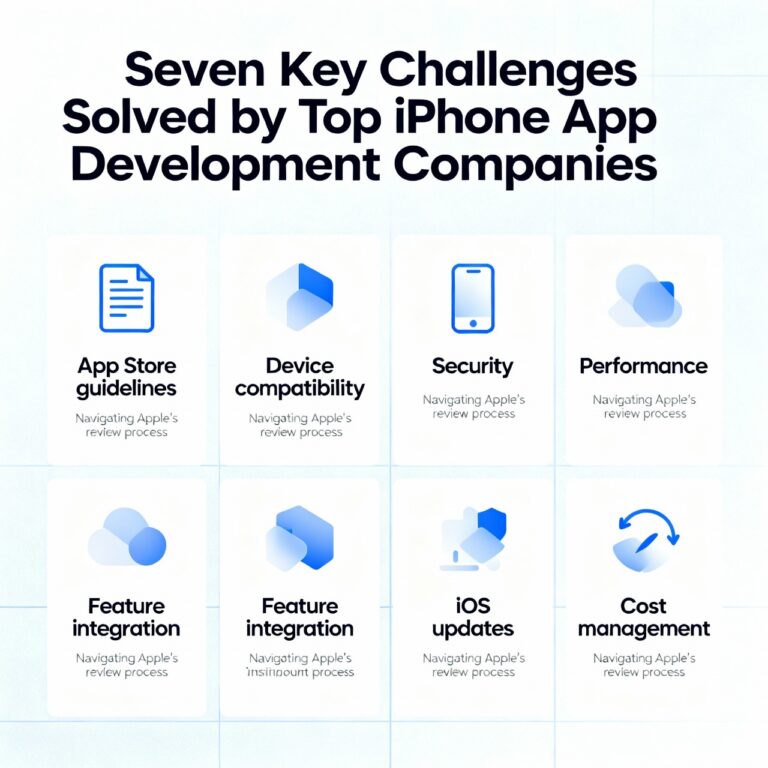
1. Meeting Apple’s Strict App Store Guidelines
Apple has very strict rules for apps that go on the App Store. Many apps get rejected because they don’t meet these requirements, such as design quality, privacy rules, or technical performance. A top iPhone app development company knows these guidelines very well and ensures your app is built according to Apple’s standards. This reduces the chances of rejection and saves you from wasting time and money. Their experience helps your app get approved faster and reach users without unnecessary delays.
2. Ensuring Device Compatibility
iPhones, iPads, and other Apple devices come in different models, screen sizes, and resolutions. An app that looks good on one device may not work properly on another. Professional developers test your app on multiple Apple devices to make sure it works smoothly everywhere. They optimize the app’s design, performance, and responsiveness so that users have the same experience whether they are using an iPhone 15 Pro, an older iPhone, or an iPad. This makes your app reliable and user-friendly for a wider audience.
3. Handling Security and Data Protection
One of the biggest challenges in app development is keeping user data safe. This is even more important for apps in healthcare, banking, or e-commerce, where sensitive data like medical records or payment details are involved. iPhone app development companies use strong security practices such as data encryption, secure APIs, and two-factor authentication. They also follow global regulations like GDPR and HIPAA. By doing this, they protect your app from hackers and build trust among your users.
4. Performance Optimization
Users quickly uninstall apps that are slow, freeze often, or drain too much battery. This is a big challenge, especially for apps with many features or large amounts of data. Top companies solve this by optimizing the code, reducing unnecessary background activity, and using efficient algorithms. They test the app’s performance under different conditions to make sure it runs fast and smoothly. This helps your app gain better reviews and keeps users engaged for longer.
5. Integrating Complex Features and Technologies
Modern apps often need advanced features like AI chatbots, AR/VR experiences, or payment gateways. Integrating these features correctly is a complex task that requires deep technical knowledge. Professional companies have experts in these technologies and know how to add them without making the app unstable. They also ensure that these features blend naturally into the app, offering users a smooth experience. This allows your app to stay ahead in innovation and stand out in the market.
6. Managing Updates and iOS Compatibility
Apple regularly updates iOS with new features and system changes. When this happens, older apps can sometimes stop working properly. A good app development company continuously monitors these updates and makes sure your app stays compatible. They release timely updates to fix issues, add improvements, and use new iOS features. This ensures your app continues to deliver value and doesn’t lose users because of outdated functionality.
7. Reducing Development Costs and Delays
Many businesses struggle with apps going over budget or missing deadlines. This usually happens because of poor planning or lack of technical expertise. Top iPhone app companies solve this by using structured project management methods, clear timelines, and transparent pricing models. They also have dedicated teams for each stage — design, development, testing, and launch — which makes the process efficient. As a result, your project stays on track and avoids unnecessary costs.
Cost Factors in iPhone App Development
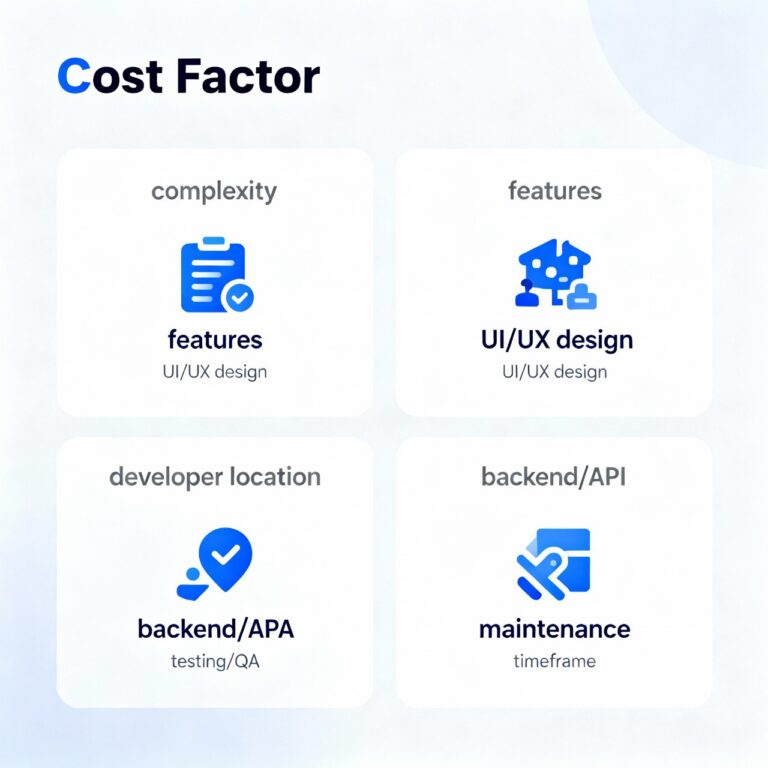
1. Complexity of the App
The more complex your app is, the higher the cost of development will be. A simple app with basic features like login, profiles, and notifications is cheaper compared to apps with advanced features such as AI, AR/VR, payment integration, or video streaming. Complex apps need more time, testing, and highly skilled developers. For example, building a food delivery app with live tracking and payment systems will naturally cost more than a simple note-taking app. Complexity is one of the biggest drivers of overall budget.
2. Features and Functionality
Every additional feature in your app adds to the cost. Basic features like sign-up or push notifications are quick to build, while advanced features such as chatbots, GPS tracking, in-app purchases, or social media integration take much more work. Developers need to write extra code, design user flows, and test everything carefully. Businesses should focus on essential features first (MVP) and then add advanced ones later to save initial costs. The more features you add, the more hours of work are required, which directly affects pricing.
3. Design and User Experience (UI/UX)
Design plays a huge role in iPhone apps because Apple users expect high-quality, polished interfaces. A simple design with a few screens will cost less, while a detailed design with animations, transitions, and custom graphics will be more expensive. Professional designers also spend time making the app intuitive, easy to navigate, and visually attractive. If your app requires unique branding, detailed icons, or interactive designs, it increases development costs. However, a great design can make your app stand out and attract more users.
4. Location and Expertise of Developers
Where your development team is located has a big impact on cost. Developers in the USA, Canada, or Western Europe usually charge higher rates compared to teams in India, Eastern Europe, or Southeast Asia. For example, hourly rates can range from $30–$60 in India to $100–$200 in the USA. Also, highly experienced companies charge more than freelancers, but they usually deliver higher quality and provide support after launch. Choosing the right balance between cost and quality is important.
5. Backend Development and API Integration
If your app needs a strong backend to handle data, user accounts, payments, or real-time updates, it adds to the cost. Creating secure servers, databases, and APIs takes extra time and effort. For apps like e-commerce or social networks, backend systems are critical to handle thousands of users at the same time. The more integrations you want, such as third-party payment gateways, maps, or AI services, the higher the development cost will be.
6. Testing and Quality Assurance
An app must be tested thoroughly before it goes live on the App Store. Testing ensures that there are no bugs, security risks, or performance issues. This involves functional testing, usability testing, and testing across multiple iPhone models and iOS versions. The bigger the app, the more time testing requires. Quality assurance may seem like an extra cost, but skipping it can lead to negative reviews and costly fixes later. A professional company invests heavily in QA to ensure smooth performance.
7. Post-Launch Support and Maintenance
The cost doesn’t end after your app is launched. Apps need regular updates to stay compatible with the latest iOS versions and new iPhone models. You may also want to add new features, fix bugs, or improve performance based on user feedback. This requires ongoing support and maintenance from the development team. Most companies offer maintenance packages, which add to the overall cost but are essential for long-term success.
8. Timeframe for Development
If you want your app to be developed quickly, it may cost more. A shorter deadline often requires a larger team or extra working hours, which increases the budget. On the other hand, if you have a flexible timeline, the development company can plan better and spread out the costs. Businesses that want to launch their apps faster should be ready to pay a premium for speed and efficiency.
Global vs. Local iPhone App Development Companies
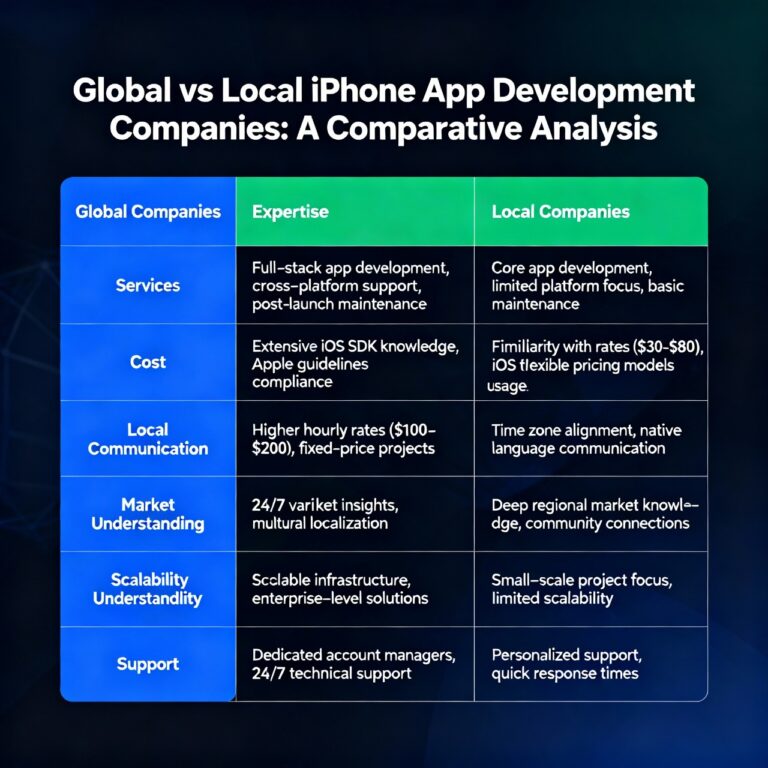
1. Scope of Services
Global iPhone app development companies usually provide a wider range of services, from app design to development, testing, deployment, and long-term maintenance. They often work with big brands across multiple industries and have the resources to handle large-scale projects. Local companies, on the other hand, may focus on smaller, region-specific projects and provide more personalized services. They are often ideal for startups or businesses targeting a specific city or country.
2. Expertise and Technology
Global companies tend to have larger teams with specialists in different technologies such as AI, AR/VR, blockchain, and cloud integration. This allows them to deliver cutting-edge apps with advanced features. Local companies might have smaller teams with expertise in core iOS development but may not always provide access to the latest tools or trends. However, they can still deliver high-quality apps tailored to local needs and markets.
3. Cost and Budget
Hiring a global company often comes with higher costs because they employ large teams, use premium technologies, and maintain international offices. This can make them more suitable for enterprises or businesses with bigger budgets. Local companies, however, usually offer more affordable pricing, making them a good choice for startups or small businesses. The trade-off is often between cost and the range of features offered.
4. Communication and Accessibility
Local companies are easier to communicate with because they are in the same time zone, speak the same language, and understand cultural nuances. Meetings and project discussions can happen face-to-face if needed, which builds stronger trust. Global companies may require managing different time zones and communication styles, but they often have professional project managers to bridge this gap.
5. Market Understanding
Local companies have a deep understanding of the local market, customer behavior, and cultural trends. This makes them better suited for businesses targeting a specific region or demographic. Global companies, on the other hand, are experienced in creating apps for international audiences, making them ideal for businesses that want to scale globally.
6. Scalability and Resources
Global companies have the advantage of large teams, advanced infrastructure, and access to diverse talent pools. They can scale projects quickly and handle sudden increases in demand. Local companies may have limited resources but can still provide high-quality service for smaller projects. They are more flexible and quicker in decision-making, which benefits businesses looking for fast delivery.
7. Support and Maintenance
Global companies usually offer 24/7 support because of their international presence, ensuring that any issue is resolved quickly. They have structured processes for app updates, bug fixes, and ongoing improvements. Local companies may not provide around-the-clock support, but they can offer quicker, more personalized help during business hours. Their local presence also makes it easier to build long-term relationships.
How to Find the Best iPhone App Development Company
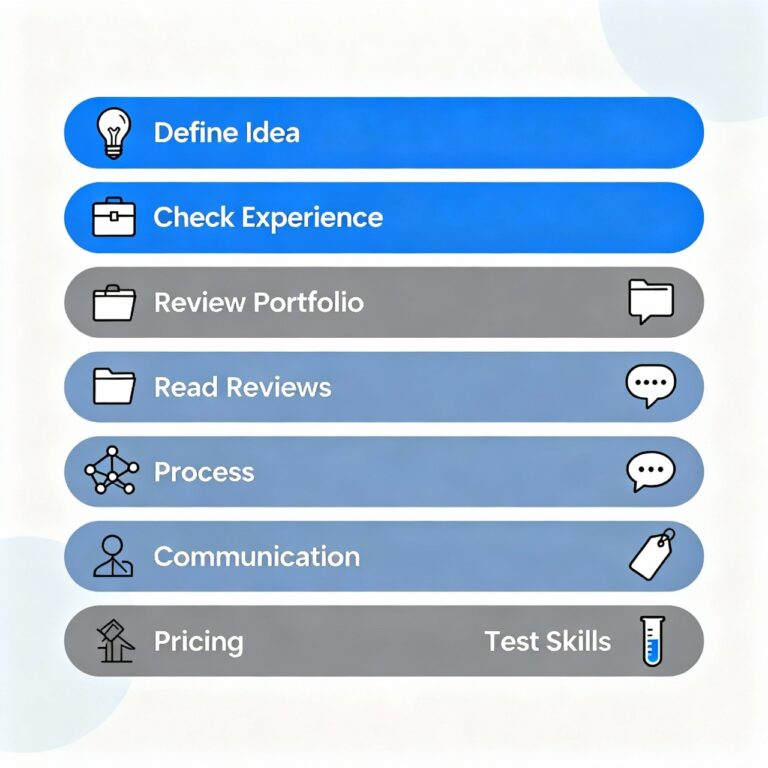
1. Define Your App Idea Clearly
Before searching for a company, you need to be very clear about your app idea. Write down what your app will do, who will use it, and what features are most important. This helps you explain your vision to developers in detail. A company that understands your exact needs will create a better app. The clearer your idea, the easier it becomes to find the right partner.
2. Check Experience and Expertise
Look for companies that have years of experience in building iPhone apps. Experienced developers know Apple’s strict guidelines and can help you avoid costly mistakes. Also, check if they have worked in your industry (like healthcare, finance, or e-commerce), as this gives them an edge. Expertise in Swift, Objective-C, SwiftUI, and ARKit is a must for modern iPhone apps. A company with proven expertise will deliver faster and better results.
3. Review Portfolios and Case Studies
Always check the company’s past work. A good portfolio will show you the design quality, features, and creativity of the apps they have built. Try downloading some of their apps from the App Store to see how well they perform in real life. Case studies will tell you how they solved client problems and added value. This gives you confidence in their ability to deliver what you need.
4. Read Client Reviews and Testimonials
Feedback from past clients is a powerful way to judge a company. Look for reviews on platforms like Clutch, GoodFirms, or Google. Positive reviews about timely delivery, communication, and support show that the company is reliable. If there are too many complaints about delays or poor quality, that’s a red flag. Testimonials also help you understand how the company treats its clients.
5. Understand Their Development Process
The best companies follow a structured process like Agile or Scrum. This means the app is built step by step, with your feedback included at every stage. Ask the company how they handle planning, design, coding, testing, and launching. A transparent process ensures you’re always updated on progress and reduces surprises. Companies with clear workflows usually deliver better apps.
6. Check Communication and Support
Good communication is the key to a smooth project. Make sure the company responds quickly to emails or calls and explains things clearly. Ask if you will have a dedicated project manager to handle your queries. Also, check if they provide post-launch support like bug fixing, updates, and new feature additions. A company that values long-term relationships will always support you even after launch.
7. Compare Pricing and Value
Cost is important, but the cheapest option is not always the best. Compare pricing models—some charge hourly, while others offer fixed costs or milestone payments. Focus on value: a slightly expensive company that offers top quality, support, and innovative features may be better in the long run. Always balance your budget with the quality you expect.
8. Test Their Technical Skills
Don’t hesitate to ask for a small demo or prototype before signing the deal. Many companies are open to building a basic wireframe or proof-of-concept to show their abilities. This lets you test their skills, creativity, and commitment before investing big money. A company confident in its abilities will happily show you what they can do.
Future of iPhone App Development Companies
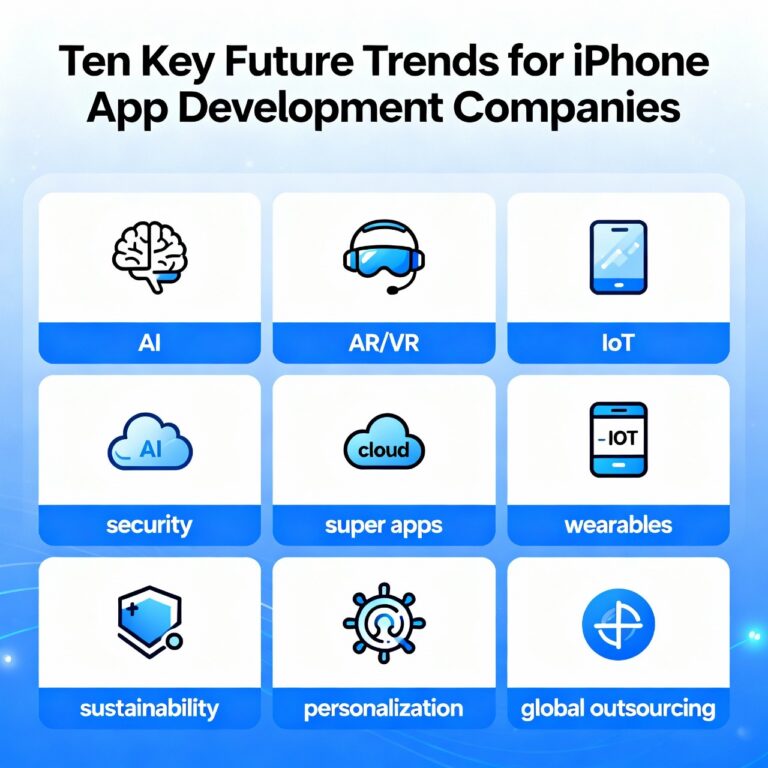
1. Rise of Artificial Intelligence (AI) and Machine Learning
In the coming years, iPhone apps will use AI more than ever before. Features like voice assistants, smart chatbots, and personalized recommendations will become standard. iPhone app development companies will integrate AI into everyday apps, making them smarter and more helpful. For example, a shopping app might suggest products based on your past behavior, or a fitness app might create a personal workout plan using AI. This shift will make apps more intelligent, and companies with AI expertise will be in high demand.
2. Growth of Augmented Reality (AR) and Virtual Reality (VR)
Apple has already introduced ARKit, which makes it easier to build AR apps for iPhones. In the future, iPhone app developers will focus more on immersive AR and VR experiences for gaming, shopping, education, and even healthcare. Imagine trying on clothes virtually before buying them, or students learning science with interactive 3D models. AR and VR will no longer be niche; they will become mainstream, and companies specializing in this field will lead the industry.
3. Expansion of Internet of Things (IoT) Integration
iPhone apps will increasingly connect with smart devices like smart homes, cars, wearables, and even industrial equipment. Development companies will need to build apps that can control and communicate with multiple devices at once. For example, a single app may allow users to adjust home lighting, track fitness on an Apple Watch, and monitor car health all from their iPhone. This interconnected ecosystem will push app companies to focus on security, scalability, and seamless integration.
4. Stronger Focus on Privacy and Security
Apple is already known for its strong security and privacy rules, but future apps will face even stricter standards. Users want to know their data is safe, and regulators are introducing tougher digital privacy laws worldwide. iPhone app development companies will have to build apps with advanced encryption, transparent data usage policies, and compliance with global regulations. Companies that can balance powerful features with strong security will win customer trust and loyalty.
5. Increased Use of Cloud Technology
More iPhone apps will depend on cloud services to store data, process information, and offer real-time updates. Cloud-powered apps will run faster, handle larger amounts of data, and work smoothly across devices like iPhones, iPads, and Macs. Development companies will use cloud platforms like AWS, Google Cloud, and Apple’s iCloud to build apps that are scalable and reliable. Cloud-based apps will also lower storage needs on phones, making them more efficient for users.
6. Super Apps and All-in-One Platforms
Just like in some Asian markets, where “super apps” like WeChat or Grab dominate, iPhone app developers may start building similar all-in-one platforms. These apps could combine messaging, payments, shopping, travel, and entertainment in a single place. Instead of downloading many different apps, users may prefer one app that does everything. Companies that can design and manage these complex platforms will have huge opportunities in the future.
7. Integration with Wearables and New Devices
As Apple continues to release new devices like the Apple Watch, AirPods, and possibly smart glasses, iPhone apps will evolve to support them. iPhone app development companies will focus on cross-device experiences, where one app works smoothly on multiple Apple devices. For example, you may start a task on your iPhone, continue it on your Apple Watch, and finish it using AR glasses. This seamless experience will become the new normal.
8. More Focus on Sustainability and Green Apps
In the future, companies will also care about how apps impact the environment. Apps will promote eco-friendly habits, such as tracking carbon footprints, encouraging paperless workflows, and supporting electric vehicles. Apple is already focused on sustainability, so iPhone app developers will align with these goals. Businesses that show commitment to the environment will attract more customers who want technology with a positive social impact.
9. Personalized and Predictive Apps
Apps will not just respond to what users ask but will predict what they need. For instance, a travel app might suggest booking a hotel because it sees your calendar showing an upcoming trip. A food app might recommend meals at your usual lunch hour. This kind of personalization, powered by data and AI, will be a key focus for iPhone app development companies. It will create stronger engagement and customer loyalty.
10. Global Demand and Outsourcing
The demand for iPhone apps will keep growing worldwide as iPhone sales increase in emerging markets. Companies in countries like India, Eastern Europe, and Latin America will become major outsourcing hubs for iOS app development. Businesses in the USA or Europe may hire skilled developers from these regions to save costs while maintaining high quality. This global demand will make iPhone app development a competitive and fast-growing industry.
We at ITech Solutions are always here to help you bring your ideas to life. Whether you have questions about our services or want to start a new project, we are ready to assist you with expert guidance and support.
Email: hr@itechs.co.in
Phone: +91-7976833560